Lee Grant’s Hollywood career was abruptly halted in the 1950s when she was placed on the notorious blacklist during the McCarthy era. The reason wasn’t her own actions but her connection to her first husband, Arnold Manoff. Despite receiving critical acclaim for her role in Detective Story (1951), her rising career was derailed when she refused to name others to investigators. As she later explained: “I certainly was not going to give names in order to work.”
Banned from film and television for 12 long years, Grant endured hardship but never abandoned her principles. After leaving a controlling marriage, she reclaimed both her freedom and her career. Her comeback in Peyton Place (1965) earned her an Emmy and reopened Hollywood’s doors. Memorable performances followed—most notably in Shampoo (1975), which won her an Academy Award. Beyond acting, her acclaimed documentaries cemented her reputation as a bold and insightful storyteller.

Her personal life flourished too. Unlike her first marriage, her relationship with Joe Feury—12 years her junior—was built on love and equality. Grant once remarked tenderly, “Joey wakes up and takes my hand. His fear is that he will lose me.” His steady support gave her renewed confidence and resilience.
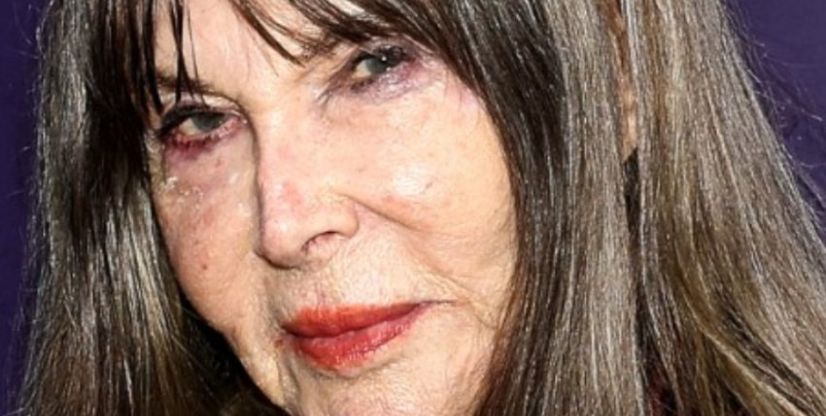
Even now, in her late 90s, Grant astonishes fans with her grace, vitality, and timeless beauty. She openly admitted to getting a facelift in her 30s, explaining that it boosted her confidence in an industry notorious for sidelining older women. Admirers still marvel at her elegance and youthful energy, with one fan exclaiming: “I’ve never seen anyone over 90 look this good.”
Lee Grant’s story is one of resilience, courage, and reinvention. She defied injustice, rebuilt her career, and found lasting happiness, proving that love, determination, and bravery can carry us through even the darkest times.