The world lost beloved actor Robin Williams in 2014, a devastating moment that left fans in shock. Known for his iconic roles in Good Will Hunting and Dead Poets Society, as well as countless comedies, Williams’ energy and joy seemed unstoppable. Yet behind the laughter, he was silently battling a rare brain disorder.
At the time of his passing, his death was largely attributed to depression and past struggles with addiction. Later, an autopsy revealed that Williams had been suffering from severe Lewy body dementia, a degenerative condition affecting thinking, movement, behavior, and mood. “The doctors said to me after the autopsy: ‘Are you surprised that your husband had Lewy bodies throughout his entire brain and brain stem?’” his wife Susan Schneider Williams told The Guardian in 2021. “I didn’t even know what Lewy bodies were, but I said: ‘No, I’m not surprised.’”
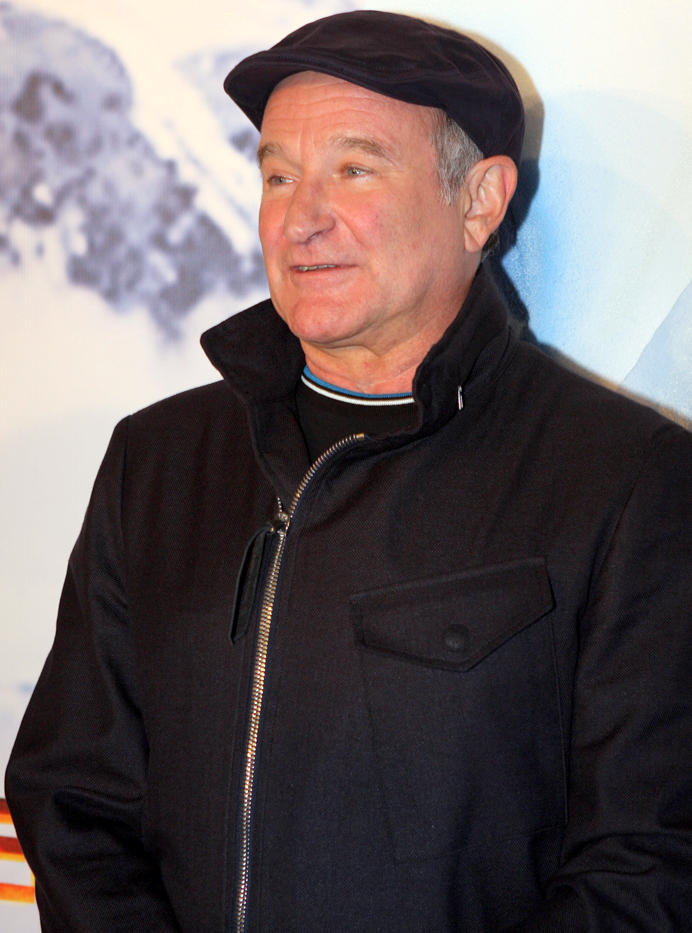
In a 2018 HBO documentary, Come Inside My Mind, Williams had reflected on his fears, saying, “I guess I fear my consciousness becoming, not just dull, but a rock. I couldn’t spark.” His wife later explained, “Robin was right when he said to me, ‘I just want to reboot my brain.’”
Lewy body dementia is fast-progressing and devastating, and Dr. Bruce Miller of UCSF described Williams’ case as “about as devastating a form of Lewy body dementia as I had ever seen.” Despite his condition, Williams’ brilliance shone through until the end.
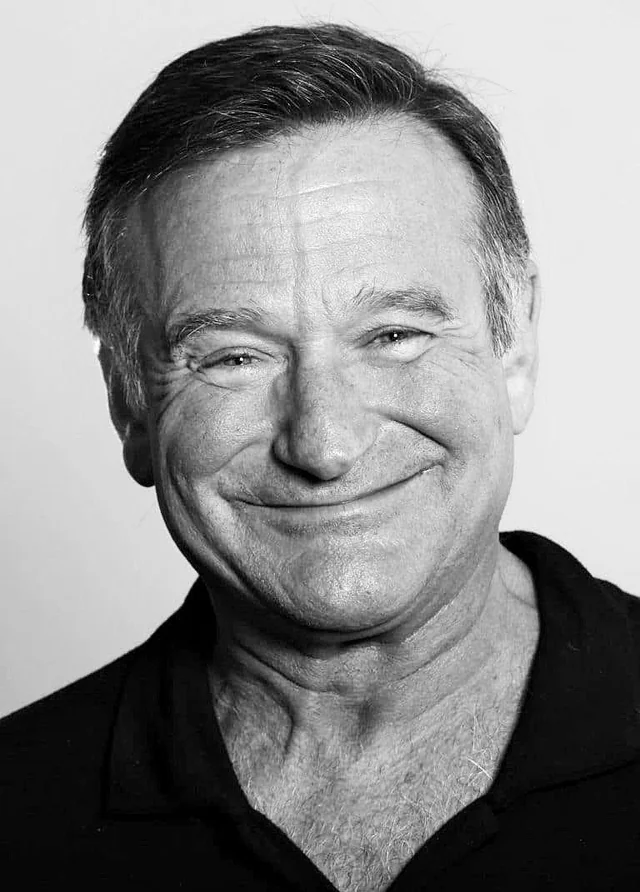
His final on-screen words continue to resonate with fans. In Night at the Museum: Secret of the Tomb, playing Teddy Roosevelt, he said, “Smile my boy, it’s sunrise.” While technically not his last live-action performance — that came a year later in the play Boulevard — the line carries a haunting poignancy now. In Boulevard, he spoke:
“I drove down a street one night. A street I didn’t know. It’s the way your life goes sometimes. I’ll drive down this one and another. And now, another.”
Years after his passing, Williams’ words remain deeply moving, a bittersweet reminder of his genius and humanity.