The 110th Indianapolis 500 will be remembered for generations, not just for the crowning of a new champion, but for the raw, unfiltered emotions that unfolded on the track during the final, frantic moments of the race. Sunday’s historic event culminated in a finish so tight it defied logic, leaving fans and drivers alike reeling from the sheer intensity of the 0.0233-second gap that separated glory from crushing defeat.
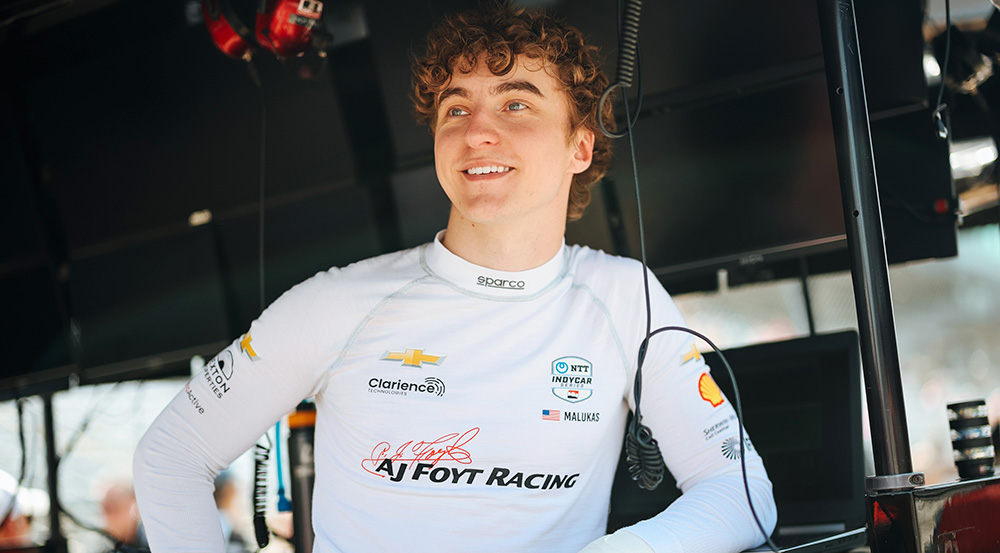
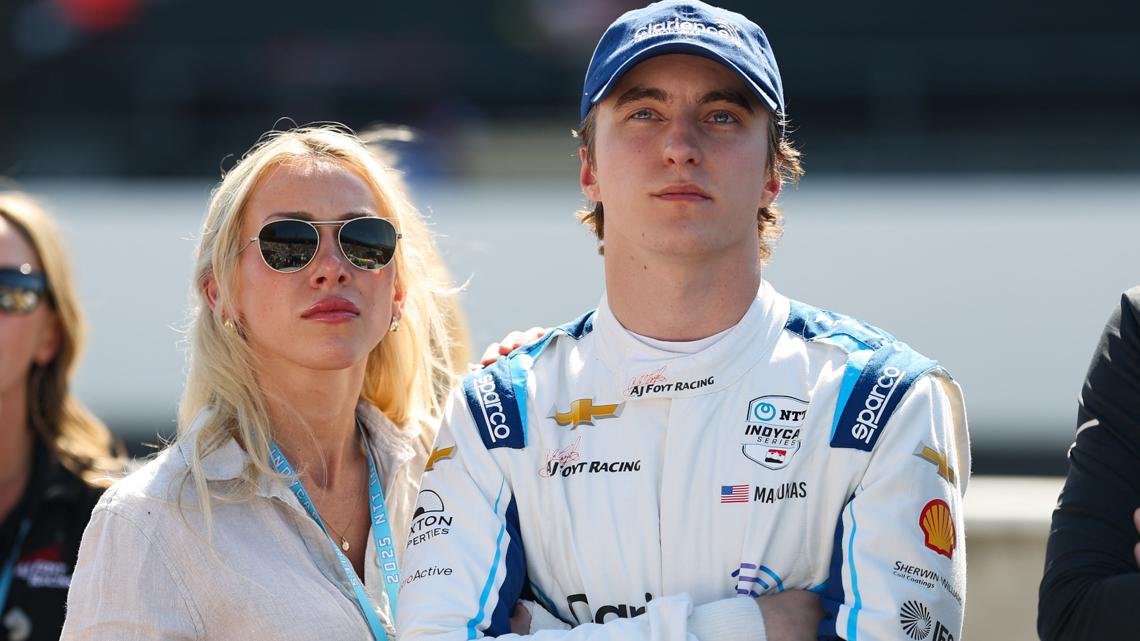
Felix Rosenqvist, the 34-year-old Swedish driver for Meyer Shank Racing, finally achieved his lifelong dream, claiming his first victory at the iconic Indianapolis Motor Speedway. Yet, the story of his triumph is inextricably linked to the profound heartache of his opponent, David Malukas. For the 24-year-old Team Penske driver, this was supposed to be his coronation—a moment of immortality in front of a sold-out crowd. Instead, he was left standing in the pit lane, grappling with the cold reality of coming within mere inches of his first-ever IndyCar victory.
The chaos of the final laps was set into motion by a series of high-stakes cautions. A red flag for a dramatic crash involving rookie Caio Collet and a subsequent yellow flag after Mick Schumacher brushed the wall forced the race into a high-pressure, one-lap sprint to the finish. Malukas had executed the perfect restart, surging past Marcus Armstrong to grab the lead. He looked every bit the winner, his car cutting through the air with a speed that suggested he had finally conquered the Brickyard. But Rosenqvist, riding a wave of momentum from the recent birth of his daughter, Stella, executed a daring, desperate move on the outside. In a final, heart-stopping push that spanned the entire length of the back straightaway, Rosenqvist utilized a perfectly timed draft to slingshot past Malukas just before the legendary yard of bricks.

The aftermath in the pit lane was a stark contrast of fortunes. While Rosenqvist was busy celebrating—sipping the traditional winner’s milk and dousing himself in it in a moment of pure, unadulterated joy—Malukas was visibly devastated. The young Chicago native, who had pushed his car to its absolute limits, confessed he was at a total loss for words. He had been driving at 150 percent, nearly losing control on every turn, only to have the win snatched away at the final millisecond. His father was there to console him, a poignant reminder of the personal stakes behind the high-speed drama.
It was a finish defined by record-breaking competitiveness—there were 70 lead changes throughout the afternoon, the most in the race’s illustrious history. For Rosenqvist, the victory was the cherry on top of a transformative month. Having welcomed his first child just twenty days prior, he entered the race with a newfound sense of perspective and focus, shedding the pressure that had weighed him down in previous years. He admitted that after Stella’s birth, he already felt he had won his own personal “Month of May,” making the actual win on the track an almost surreal extension of his joy. As he stood atop his car, pumping his arms toward the roaring crowd, he realized that he had achieved the pinnacle of his career in the most spectacular fashion imaginable. The day remains etched in history as the closest finish the Indianapolis 500 has ever witnessed, a testament to the thin, agonizing line between triumph and heartbreak.