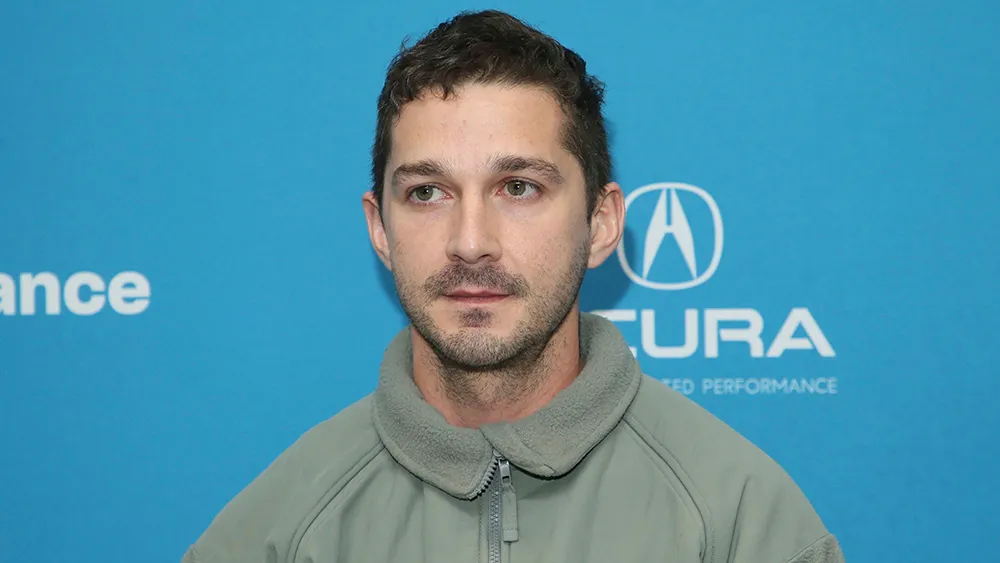
The trajectory of Shia LaBeouf’s career is a study in extreme contrasts, shifting from the comfort of the Disney Channel set to the high-stakes world of blockbuster stardom, only to unravel into a series of deeply troubling public episodes. Once heralded as one of the most promising talents of the 2000s, LaBeouf captivated audiences with his charismatic presence in franchise hits like Transformers and Indiana Jones. Yet, the same intensity that made him a box-office draw has seemingly become a catalyst for his turbulent private life, which has consistently dominated headlines more than his actual cinematic contributions in recent years.
The actor’s path has been anything but linear. After rising to prominence through roles in Holes and Even Stevens, he navigated the difficult transition into adult roles, balancing mainstream projects with experimental theater collectives. His personal life, however, became a complex web of relationships and high-profile scrutiny. His marriage to Mia Goth, marked by separation and subsequent reconciliation, stands alongside his volatile past with figures like FKA Twigs, who initiated a lawsuit alleging significant emotional and physical harm—an issue that prompted LaBeouf to publicly address his struggles with aggression and accountability.
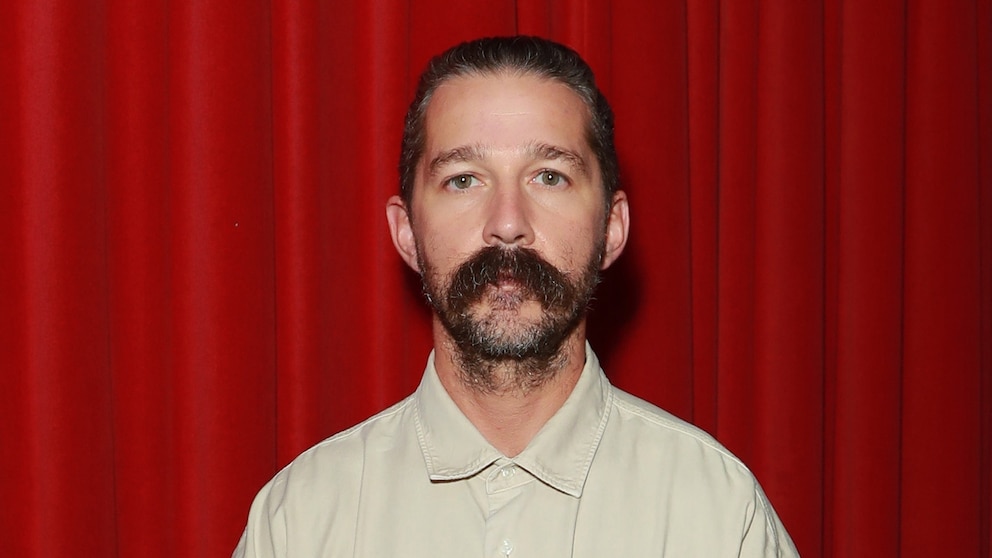
A particularly surreal chapter in his recent journey occurred in late 2023, when he was confirmed into the Catholic Church. This spiritual pivot, which fueled rumors of a potential future as a deacon, offered a stark image of a man seeking redemption. Yet, this narrative of quiet faith was abruptly interrupted in early 2026. A chaotic series of events in New Orleans during Mardi Gras led to multiple arrests on battery charges. These incidents—involving bar altercations and public outbursts—quickly eclipsed any conversation regarding his religious dedication.
In the aftermath of the New Orleans proceedings, the legal reality for the former child star has become clear. By June 2026, LaBeouf entered a guilty plea to misdemeanor battery charges. The court has mandated a structured path for his immediate future, which includes two years of probation, compulsory attendance in alcohol abuse rehabilitation programs, anger management, and specialized sensitivity training. Even as he attempts to pivot toward independent film projects, such as his work on Angel of Death and Salvable, the shadow of his personal conduct remains pervasive. Whether he can reconcile his public artistic pursuits with the heavy requirements of his current court-ordered path remains an open question for fans and industry observers alike.