This woman is more than just a long-lived woman. Karen Marsh Doll is a living chronicle of Hollywood’s Golden Age, one of the last to personally participate in the creation of legendary films that are now considered timeless classics. This year, she turned 106, and behind her lies an entire era that modern audiences know only through black-and-white frames and radiant Technicolor.
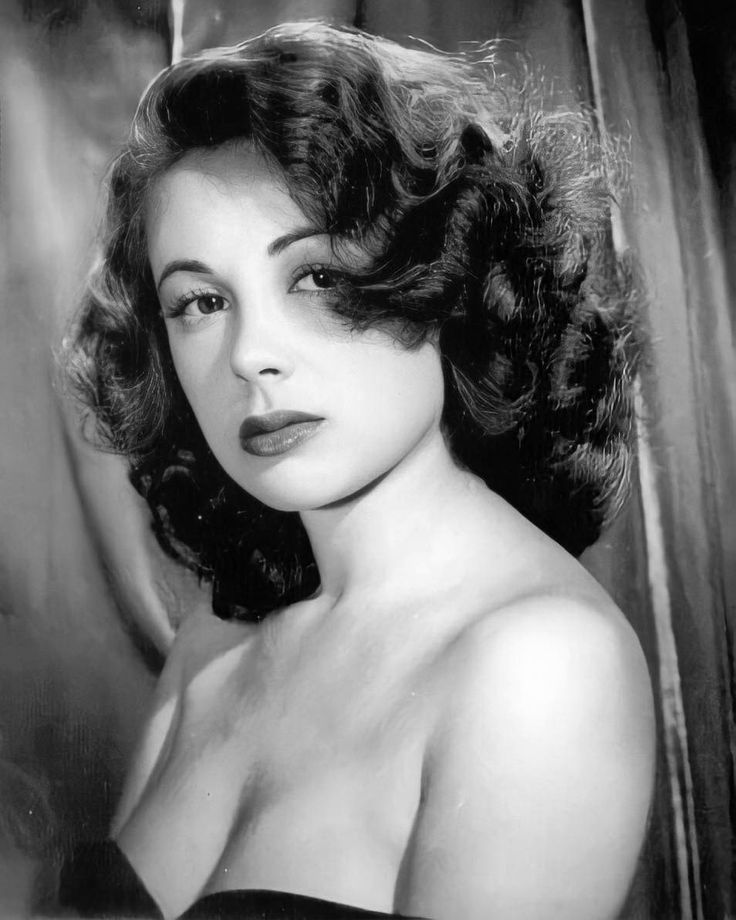
Born on April 6, 1919, Karen found herself at the very heart of cinematic history while still very young. Her name didn’t ring a bell, but without her, the magic that millions of viewers witnessed on screen would not have existed. In 1939, she became Judy Garland’s understudy on the set of “The Wizard of Oz.” While the leading star captivated audiences, Marsh Doll spent hours rehearsing, performing lighting tests, and camera tests, helping to create the visual image that would later become an icon of world cinema.
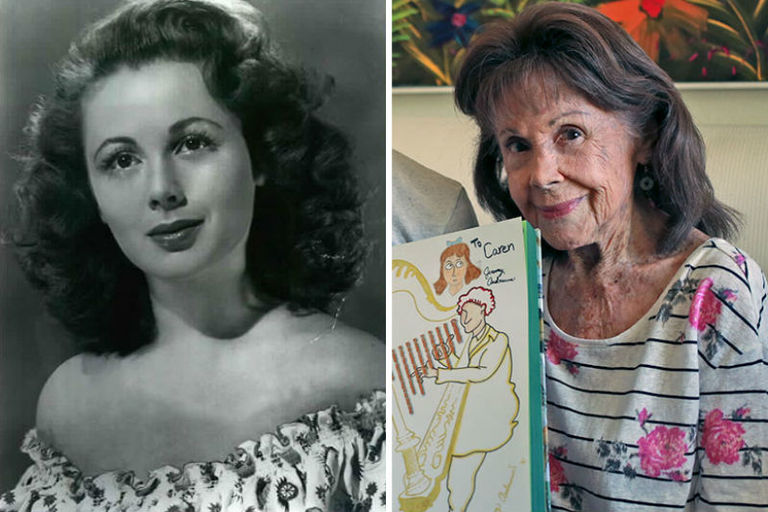
That same year gave her another glimpse of eternity—her role in Gone with the Wind. Although her role was minor, the very fact of working in two of the greatest films of the 20th century made Karen part of a unique generation of actors who shaped Hollywood from within, remaining in the shadow of the big names.
However, her life wasn’t all glamor. In 1949, fate dealt Karen a cruel blow: she survived a horrific plane crash in California. The plane crashed in the hills near Chatsworth, killing most of the passengers. Marsh Doll suffered severe burns and serious injuries, and many thought her life was over. But she proved otherwise.
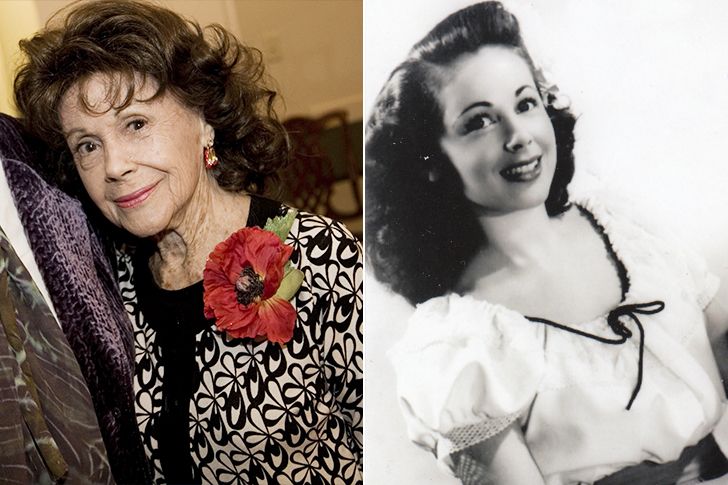
After a long recovery, Karen returned to life and work, continuing her career as a dancer and actress. The tragedy didn’t break her; on the contrary, it became part of a story of incredible resilience and fortitude.
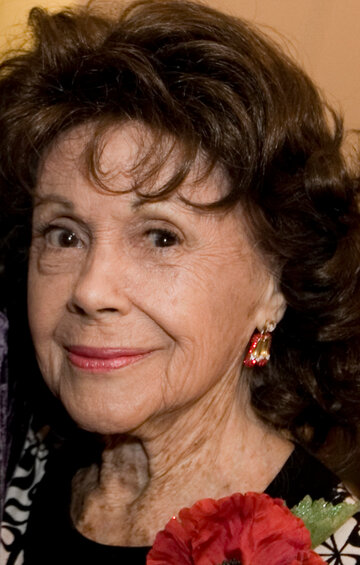
Today, Karen Marsh Doll is celebrated not only as a witness to Hollywood’s Golden Age, but also as a woman who survived the unthinkable and retained her dignity, courage, and clarity of mind. Her life is a reminder of a time when cinema was crafted by hand, when magic was born on film sets, and behind the great stars were those who worked without grand titles, but with boundless devotion to art.