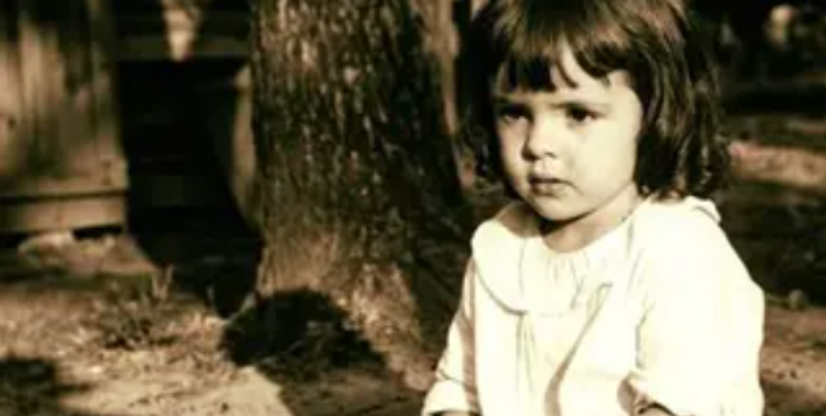
The story of Judy Garland—one of the most celebrated stars in Hollywood history—is also a story filled with shadows. Behind her unforgettable performances and radiant screen presence lay years of exploitation, pressure, and emotional turmoil that deeply affected her health and ultimately contributed to her tragic early death.
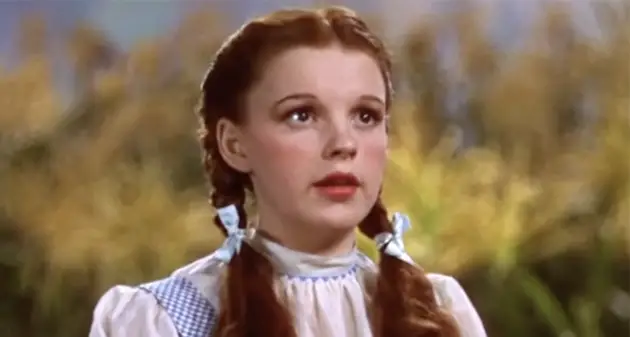
Garland was the youngest of three sisters, all of whom were pushed into performing from a very young age. Their mother, Ethel, drove them relentlessly toward success, enforcing strict discipline and demanding perfection. Judy later revealed that this harsh upbringing played a central role in her lifelong struggles, including her early dependence on medication.
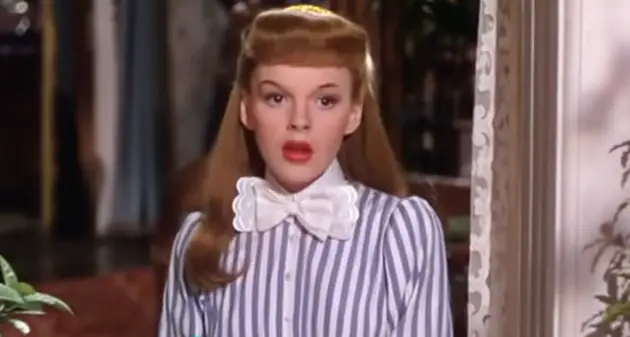
In a 1967 interview with Barbara Walters, Garland described her mother as a controlling and emotionally abusive stage parent. She claimed Ethel resented her success and lacked talent herself. According to Garland, her mother would threaten her backstage if she didn’t perform, forcing her to sing regardless of exhaustion or illness.
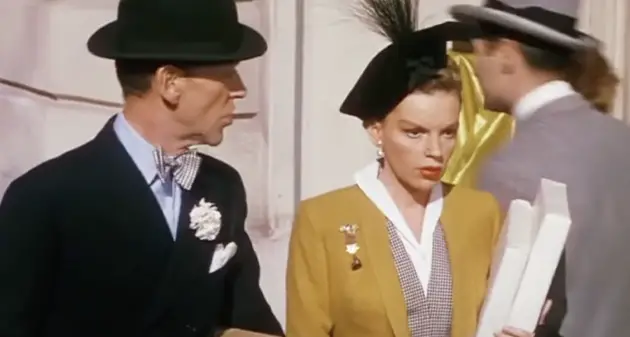
Growing up in show business was especially confusing for Garland, who also witnessed her parents’ unstable relationship. Their repeated separations caused her deep anxiety and fear, adding emotional strain to an already overwhelming childhood.
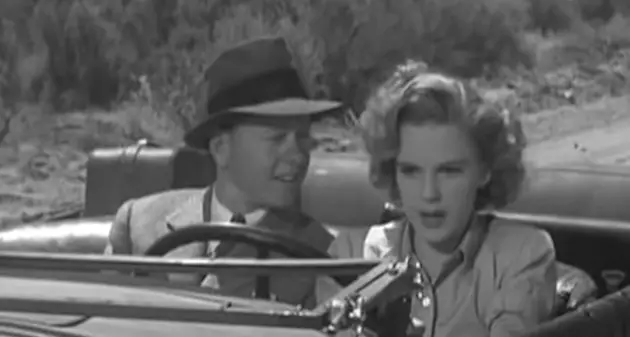
To keep Judy performing late-night shows, Ethel reportedly gave her stimulants, followed by sedatives to force her to sleep—a cycle detailed by biographer Gerald Clarke. Garland later referred to her mother as the “real Wicked Witch of the West,” acknowledging the lasting damage caused by this treatment.
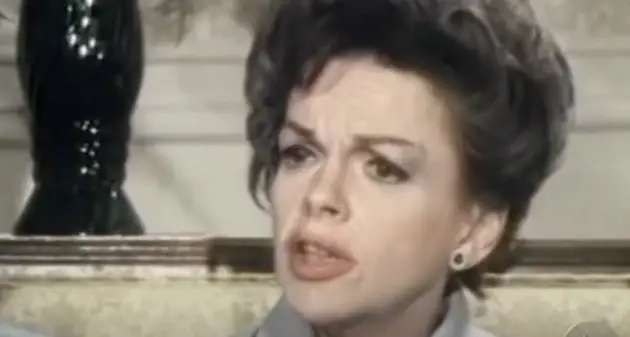
At just 13, Garland auditioned for MGM founder Louis B. Mayer, who was immediately struck by her extraordinary voice. She was offered a studio contract, but the pressures only intensified. Garland later claimed the studio tightly controlled her weight, restricted her food intake, forced exhausting schedules, and supplied even more medication to keep her working long hours.
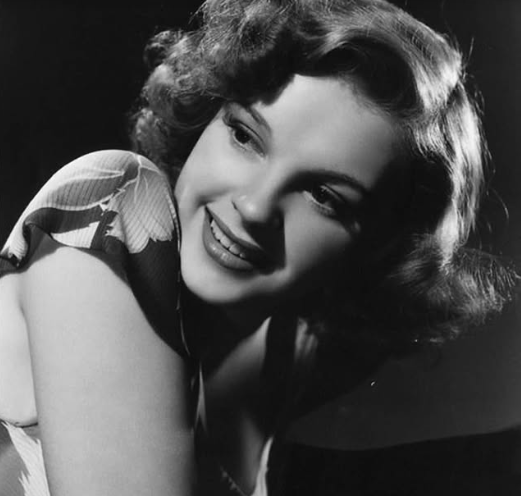
She recalled filming stretches that lasted days at a time, with pills used to keep her awake and sleeping drugs used to knock her out before starting again. While Garland’s close friend and frequent co-star Mickey Rooney later denied that MGM was responsible, the toll on her health was undeniable.
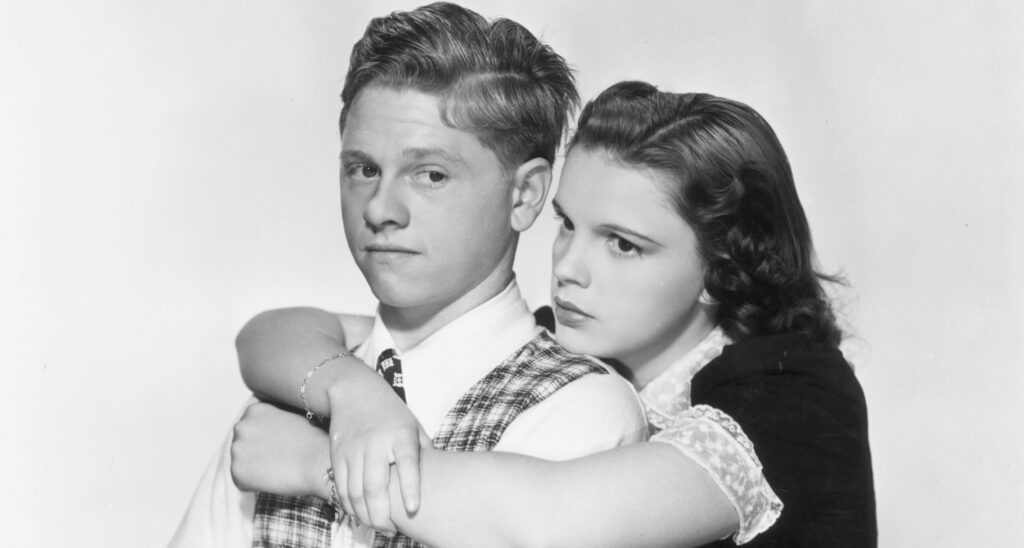
Judy Garland died at 47 after an accidental barbiturate overdose. She was found by her husband, Michael De Vinko. Despite her struggles, she left behind an extraordinary legacy.
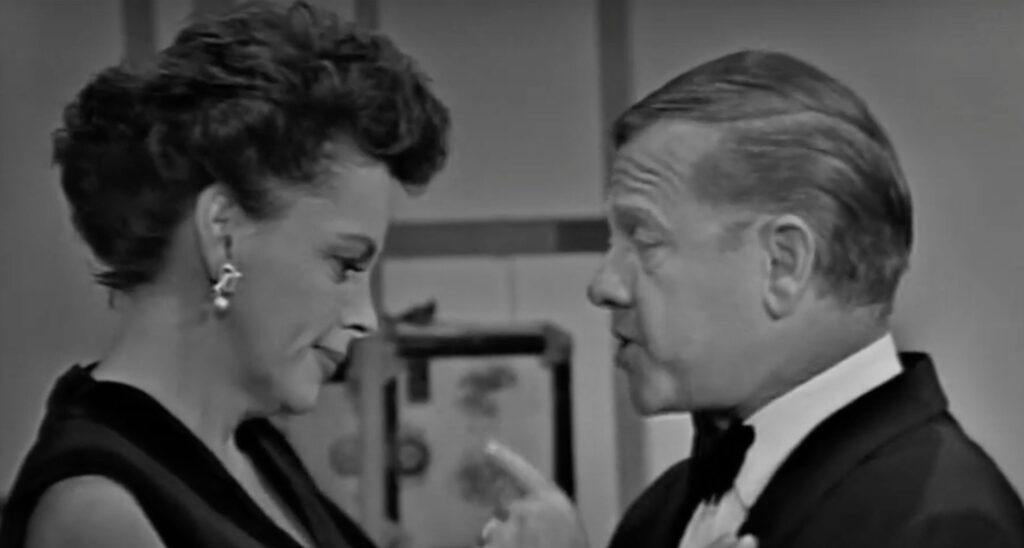
Rooney often spoke of their deep bond, describing it as a lifelong connection built on trust and mutual understanding. They starred together in numerous films and reunited years later on The Judy Garland Show, where their chemistry remained unchanged.
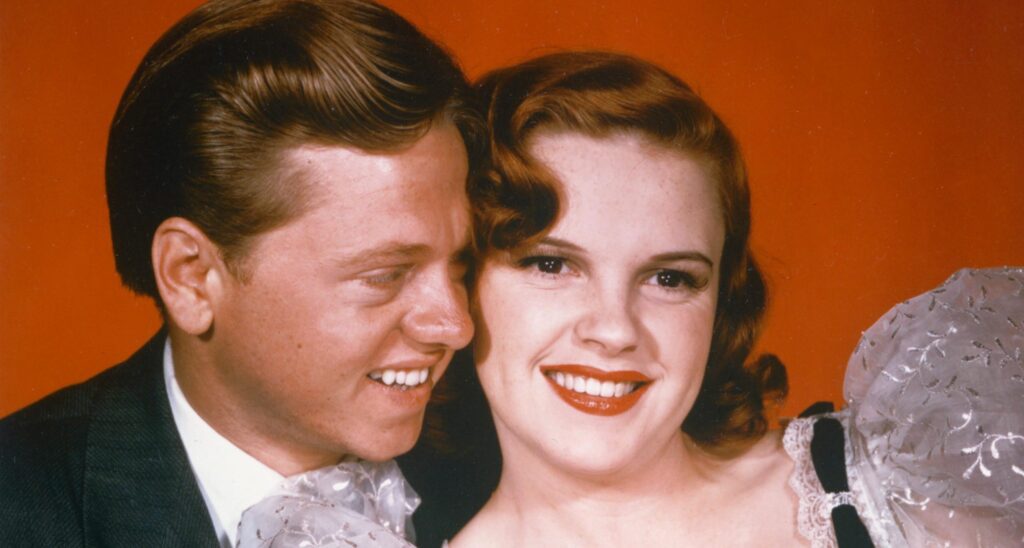
Though her life was marked by hardship, Judy Garland gave the world timeless performances and unforgettable magic. Her brilliance endures, and her legacy will never fade.