
That day, the maternity ward was pure chaos. The sharp smell of antiseptic hung in the air, mixing with the faint scent of coffee gone cold. Alarms beeped, monitors hummed, and nurses moved briskly from room to room. The clock on the wall had stopped hours ago, but no one noticed — time in the hospital was a blur of calls, cries, and quiet miracles.
Dr. Artyom Lavrov, a seasoned obstetrician, leaned against the wall outside the operating theater, exhaling heavily. His last delivery had been rough — a complicated breech birth that demanded every ounce of focus he had left. His gloves were still warm from the effort when the intercom crackled overhead:
— Ward six. Urgent labor. Condition unstable.
He closed his eyes briefly. No rest again. He rubbed a tired hand over his face, changed into a fresh gown, and hurried down the corridor. The polished floors gleamed under fluorescent light, reflecting the shadows of exhausted staff rushing past. It was supposed to be just another patient, another birth in an endless cycle of life and struggle.
But when he pushed open the door to ward six, the world stopped.
She was lying on the bed, her face pale, her hair plastered to her temples with sweat. Her fingers gripped the sheet, her breathing shallow but steady. And in that fragile, pain-stricken woman, he recognized the face that had haunted his dreams for years.
Marina.
The woman who had once been his entire world — the laughter in his kitchen, the warmth in his silence, the dream that had kept him alive through years of sleepless shifts. And the same woman who had vanished without a word, leaving behind only a single note:
“It will be better this way.”
Now she was here, trembling, tears cutting paths down her cheeks.
“You?” she whispered, her voice cracking like thin glass. “Artyom?”
He froze. The sterile world of the hospital — the steady beeping, the smell of disinfectant, the voices outside — all faded into a distant hum. Only her eyes existed.
But when he spoke, his tone was calm, professional, as if nothing had broken inside him.
“I’m your doctor,” he said. “Everything will be fine.”
A Test of Fate
The labor was difficult. Marina’s blood pressure spiked, her heart rate wavered, and the baby’s vitals began to dip. Nurses exchanged worried glances. Artyom’s voice cut through the chaos — firm, commanding, reassuring. He moved with the precision of habit, yet inside, his heart was pounding so fiercely he could hear it echoing in his ears.
Every contraction felt like a blow to his chest. Every cry, every gasp, tore at the invisible wound he’d carried for years. He couldn’t allow himself to falter — not now, not here.
He barked orders, adjusted drips, counted the seconds between contractions. His mind was medical, clinical — but his soul was burning. He had delivered hundreds of children in his career, but never under a weight like this.
Minutes turned into an eternity. The line between past and present blurred.
Then — a cry. A high, trembling wail that shattered the suffocating silence. The room exhaled. The nurses smiled. The tension broke.
Artyom lifted the newborn gently, his gloved hands trembling. But as he wrapped the child in a soft towel and turned the tiny shoulder toward the light, something made his breath catch.
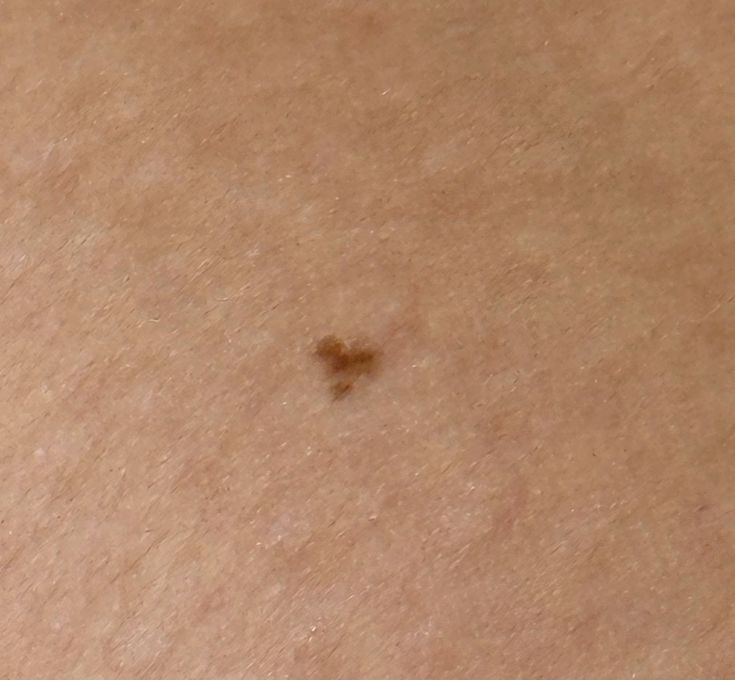
There, on the baby’s skin, was a small birthmark — a dark little spot shaped like a crescent. Exactly like his own. In the same place.
He froze. The world tilted.
He looked at Marina.
“Marina,” he whispered, his voice barely audible. “This is… my child?”
Her eyes closed slowly, tears sliding down her temples into her hair. She nodded faintly.
“I didn’t want you to find out like this,” she whispered, brokenly. “I was scared.”
“Scared?” His throat tightened. “Of what?”
“Of you,” she said, the words trembling out between breaths. “Of your life — your endless hours, the way the hospital swallowed you whole. I thought… if you knew, you’d choose your work over us. That you’d resent the child for taking time away from what you love.”
Artyom felt the strength drain from his legs. He sank into the chair beside her, the sterile room spinning around them. For years, he had believed she left because she didn’t love him — because something inside him wasn’t enough. But now, he saw the truth. It wasn’t rejection. It was fear.
He took her hand, still shaking from exhaustion, and held it tightly. His own hands, so used to stitching wounds and steadying lives, now trembled like a novice’s.
“You don’t understand one thing, Marina,” he said quietly. “My whole life, I’ve saved strangers. I’ve watched parents meet their children, and I’ve envied them. But you… you and this child — you’re the only ones I ever wanted to save for myself.”
Her lips trembled. “It’s too late,” she whispered.
He shook his head. “It’s never too late. Not when life gives you a second chance.”
A New Beginning
Hours later, the storm of the night subsided. The hospital had grown quiet again — that deep, fragile silence that settles after great effort. The monitors beeped softly, marking the rhythm of life.
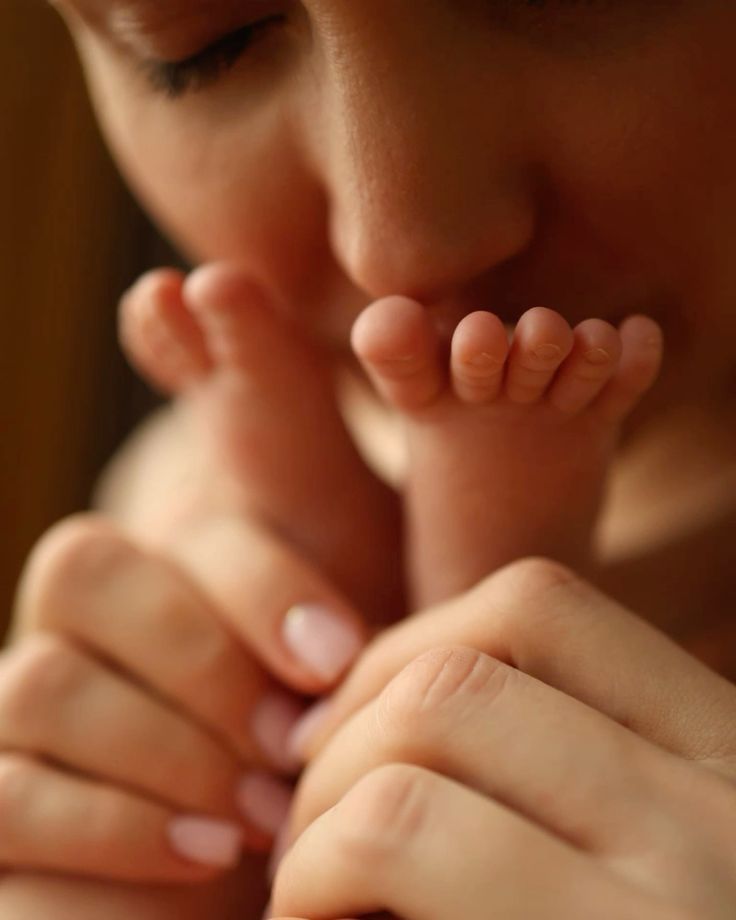
Artyom stood beside the bed, looking at the small bundle lying in the crib. The baby’s chest rose and fell with gentle rhythm, the little fingers curled into perfect fists.
He reached out, hesitated, then touched the infant’s hand. It was warm, fragile, alive — and it wrapped around his finger instinctively. That simple gesture shattered whatever wall had remained inside him.
He smiled — a tired, uneven smile, but real.
Marina watched him through heavy eyelids. “What will you do now?” she asked softly.
He didn’t look away from the child. “I’ll do what I should have done years ago,” he said. “Learn to balance saving others… with saving what’s mine.”
A tear rolled down her cheek, but it was a different kind — light, cleansing.
The baby stirred, making a small sound, and both of them leaned closer, their shoulders touching for the first time in years. The air felt different — warmer, lighter, fragile as glass, yet stronger than steel.
Outside, dawn began to seep through the hospital windows. Pale light washed over the white walls, chasing away the night. The chaos had faded. Only peace remained.
In that moment, Dr. Artyom Lavrov realized that the universe had its own rhythm — one that no hospital schedule, no surgical precision, could control. Some wounds weren’t meant to be stitched; they were meant to be healed by time, truth, and love.
That night, not just a new life was born — but two souls found their way back to where they belonged.
And for the first time in years, Artyom understood what it meant when people said fate has a strange sense of mercy.
Because sometimes, the hardest goodbyes return as the gentlest beginnings.


