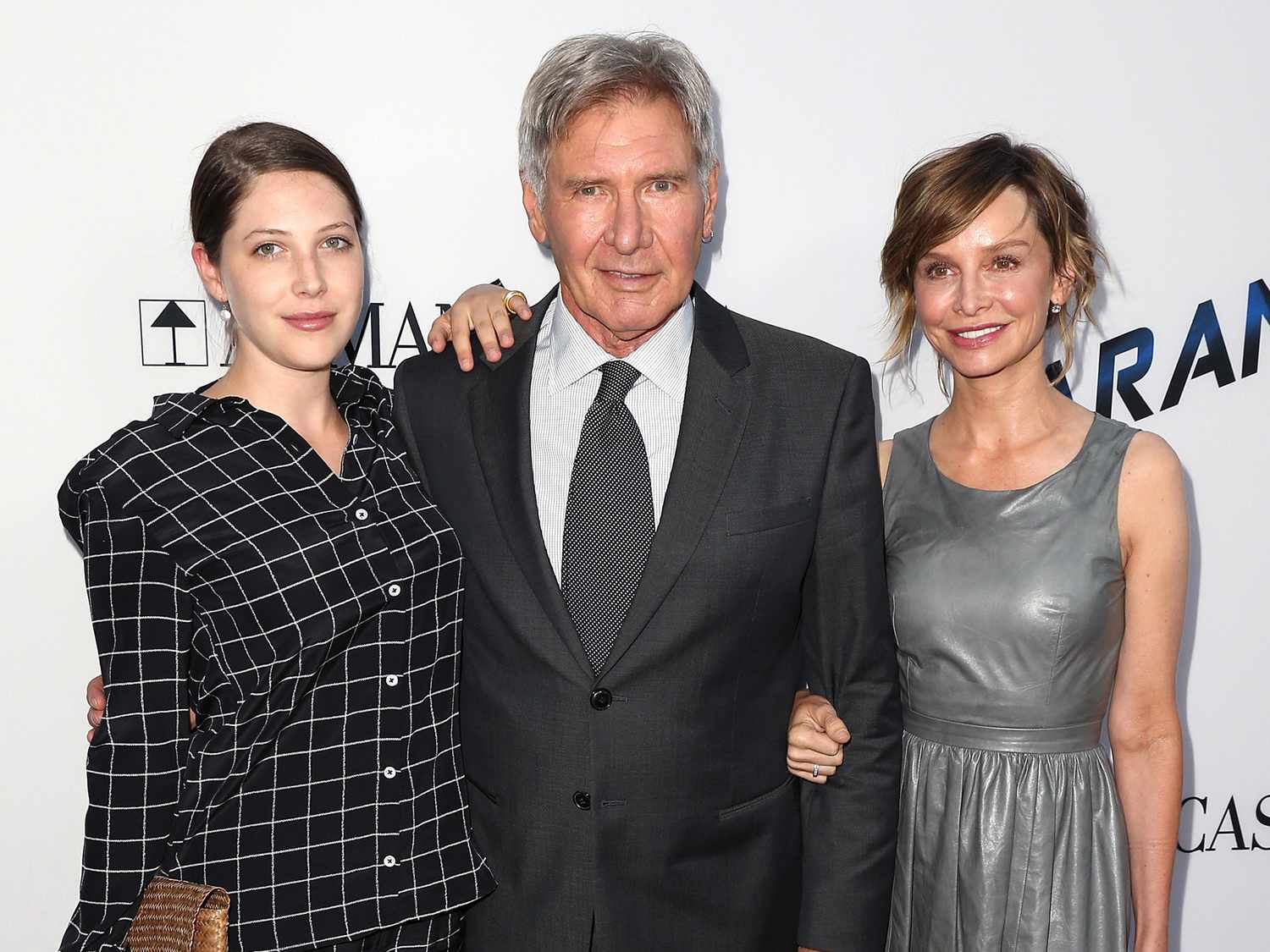
Today, he is regarded as one of the greatest actors in the world.
But that success didn’t come easily.
Before becoming a global superstar and multi-millionaire, he spent years earning a living as a carpenter, waiting for the one role that would finally change everything.
A world away from Hollywood
Unlike many actors who grow up surrounded by the film industry, this future icon was raised far from the bright lights of Los Angeles.
Born in Chicago in 1942, he was the son of a father with Irish Catholic heritage and a mother whose family had emigrated from the Russian Empire. He grew up in a modest three-bedroom Tudor home in Park Ridge, Illinois, alongside his younger brother. His mother stayed at home, while his father worked in advertising.
Asked once about the religion he was raised in, he joked, “Democrat,” before explaining more seriously that he and his brother were brought up with liberal values. Reflecting on his mixed background, he famously quipped: “As a man, I’ve always felt Irish. As an actor, I’ve always felt Jewish.”
Looking back, he described his upbringing as typical, middle-class, and largely uneventful — but happy.
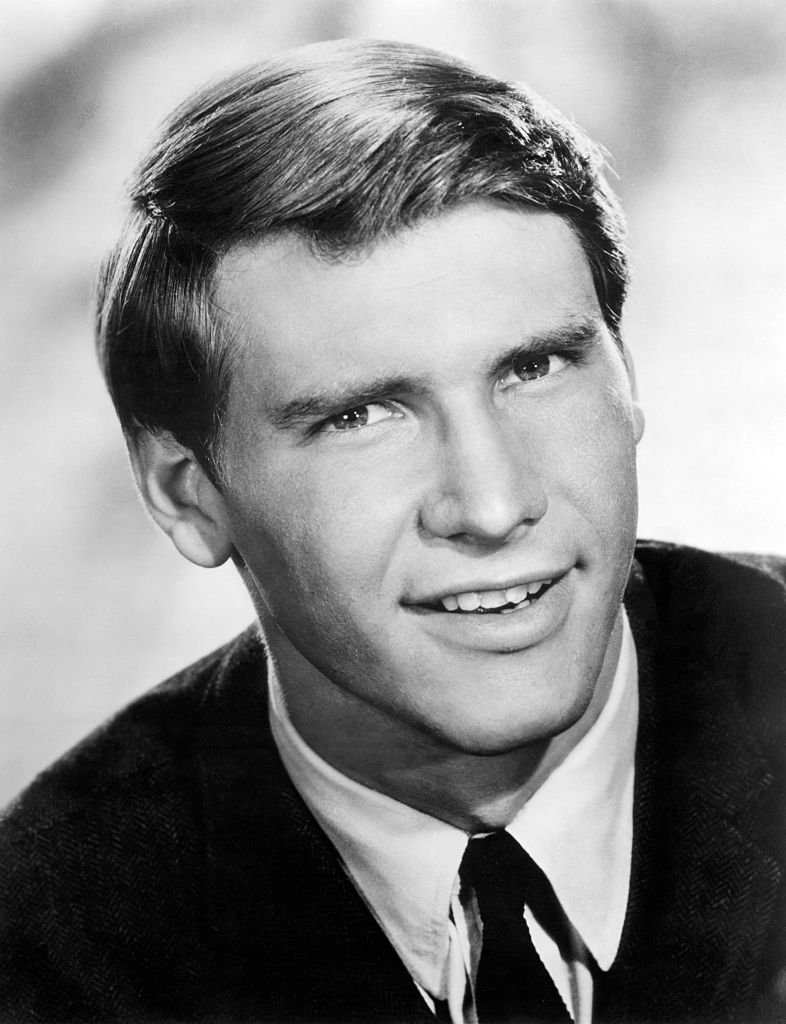
College trouble and a turning point
After finishing high school, he enrolled in college to study English and philosophy. A seemingly small decision would end up shaping his future.
He signed up for a drama class, assuming it would be an easy credit. Shy and self-described as a “late bloomer,” he was initially uncomfortable performing — but quickly discovered a passion for storytelling.
Academically, however, he struggled. “My GPA was dreadful,” he later admitted. Just days before graduation, he was expelled for plagiarism — a humiliating setback that left him at a crossroads.
In 1964, he packed up and headed to Los Angeles.
Learning carpentry to survive
He managed to secure a contract with Columbia Pictures’ new talent program, but after clashing with producer Jerry Tokofsky, he found himself pushed aside. He picked up minor TV roles, including appearances on Gunsmoke, but steady acting work proved elusive.
To support his wife, Mary Marquardt, and their two young sons, he taught himself carpentry. One of those sons would later go on to own a gastropub at Los Angeles International Airport.
“Carpentry fed my family and gave me freedom,” he told Daily News in 1986. “It allowed me to turn down bad roles and wait for better ones. I was frustrated, but I never felt beaten.”
Among his carpentry clients were acclaimed writers Joan Didion and John Gregory Dunne, who lived on Malibu’s beachfront — a connection that would soon prove life-changing.
A career built slowly
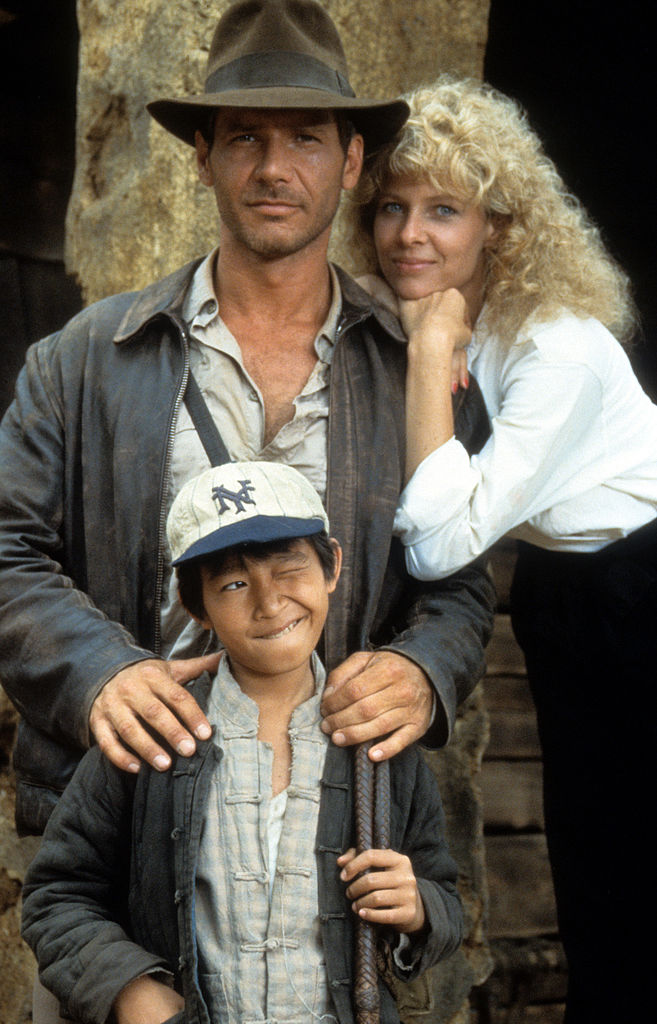
Through them, he landed an audition with George Lucas and was cast as Bob Falfa in American Graffiti (1973). It was the start of a creative partnership that would define his career.
Over the next several years, he appeared in only a small number of films — but each one mattered. The Conversation (1974) followed, then Apocalypse Now (1979), where he played a Chicago-born army colonel humorously named “G. Lucas.”
“Each role was better than the last,” he once said — though he continued working as a carpenter to pay the bills.
While reading lines for actors auditioning for Lucas’s new space film, his delivery caught the director’s attention. Eventually, Lucas cast him as Han Solo in Star Wars.
Instant global fame
The film became a cultural phenomenon, transforming him — along with Mark Hamill and Carrie Fisher — into an international star and bringing his carpentry days to an end.
That actor, of course, was Harrison Ford.
Over seven decades, Ford has starred in countless iconic films and ranks among the highest-grossing actors of all time. His role as Indiana Jones in Raiders of the Lost Ark elevated him even further, cementing his reputation as a fearless, charismatic leading man.
Yet despite the fame, Ford has always viewed acting as a form of honest labor.
“As a friend once said, the collar around my neck is blue,” he said in 1986. “I know what it is to work hard. Acting is a job — I expect to sweat, get dirty, and work overtime.”
That grounded attitude has earned him enormous respect, along with an estimated net worth of around $300 million as of 2026.
Life away from the spotlight
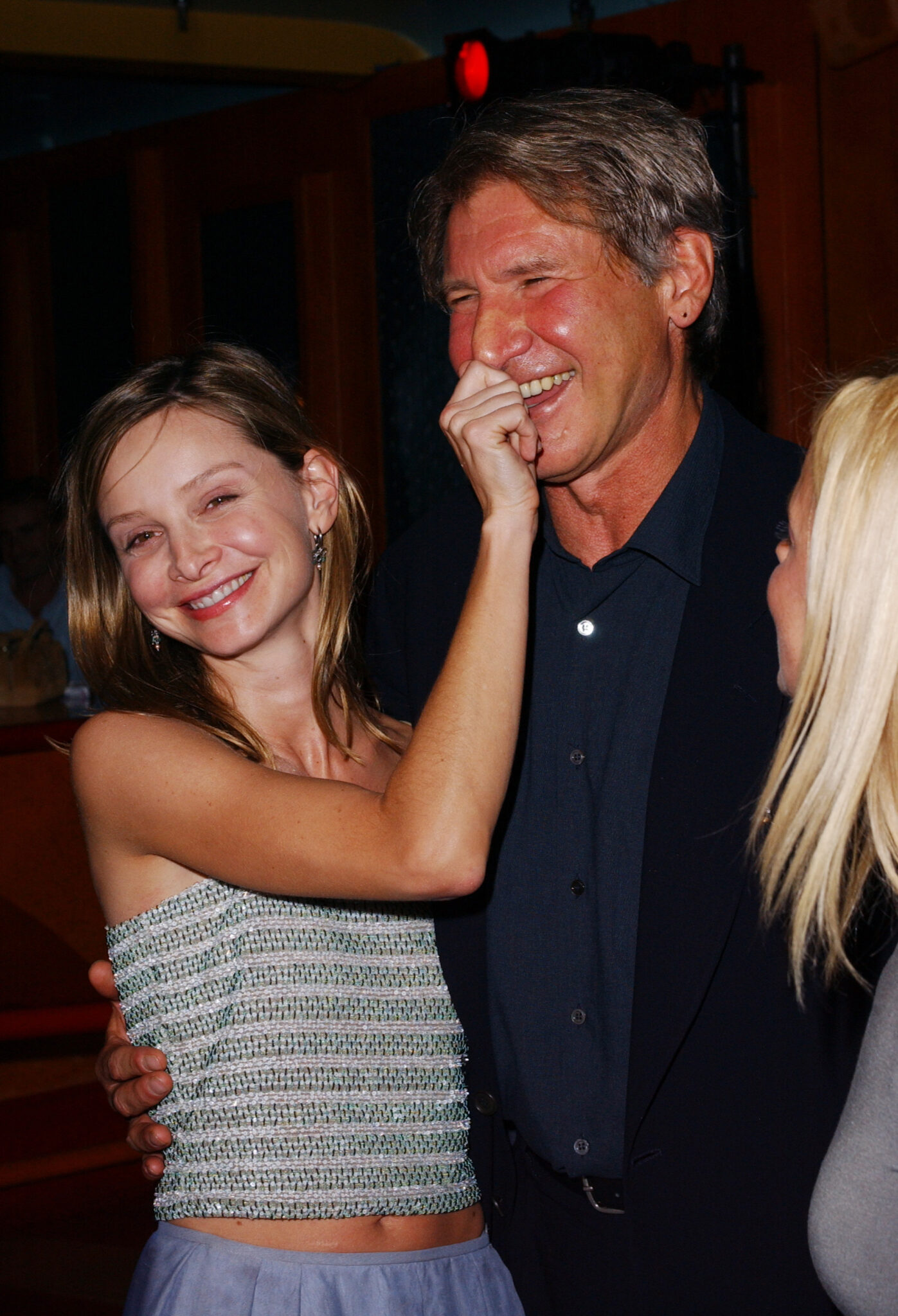
Outside Hollywood, Ford prefers a simpler life. He lives on an 800-acre ranch in Jackson, Wyoming, with his third wife, actress Calista Flockhart. There, he flies his plane, mountain bikes, works with wood, and cares for the land.
The ranch offers refuge from fame, while he balances family life with five children from three marriages. Known for his practicality, he drives modest cars and keeps his inner circle small.
“I don’t go looking to be admired,” he told Parade. “I want to be good at what I do — and stay good.”
Marriage and resilience
Ford met Flockhart at the 2002 Golden Globes, when he was 60 and she was 38. Their first interaction reportedly involved him accidentally spilling wine on her. Despite the awkward start, the two quickly connected.
He proposed on Valentine’s Day in 2009, and they married a year later in Santa Fe, New Mexico, in a low-key ceremony where Ford famously wore jeans.
“She brought a child back into my home,” he once said. “Being part of a child’s life is an endless springtime.”
Their relationship was tested in 2015 when Ford survived a serious plane crash that left him with multiple injuries. He recovered and returned to work, continuing to defy expectations well into his 80s.
Still going strong
Now 83, Ford remains active on screen. He starred in the Yellowstone prequel 1923 through 2025 and currently appears in the Apple TV+ series Shrinking.
Despite decades of fame, he remains one of Hollywood’s most private stars. While some fans have speculated about social anxiety, Ford has dismissed the idea, saying instead that he simply has “an abhorrence of boring situations.”
From hammering nails to headlining blockbusters, Harrison Ford’s story is a powerful reminder that perseverance, patience, and hard work can turn even the most unlikely beginnings into legend.