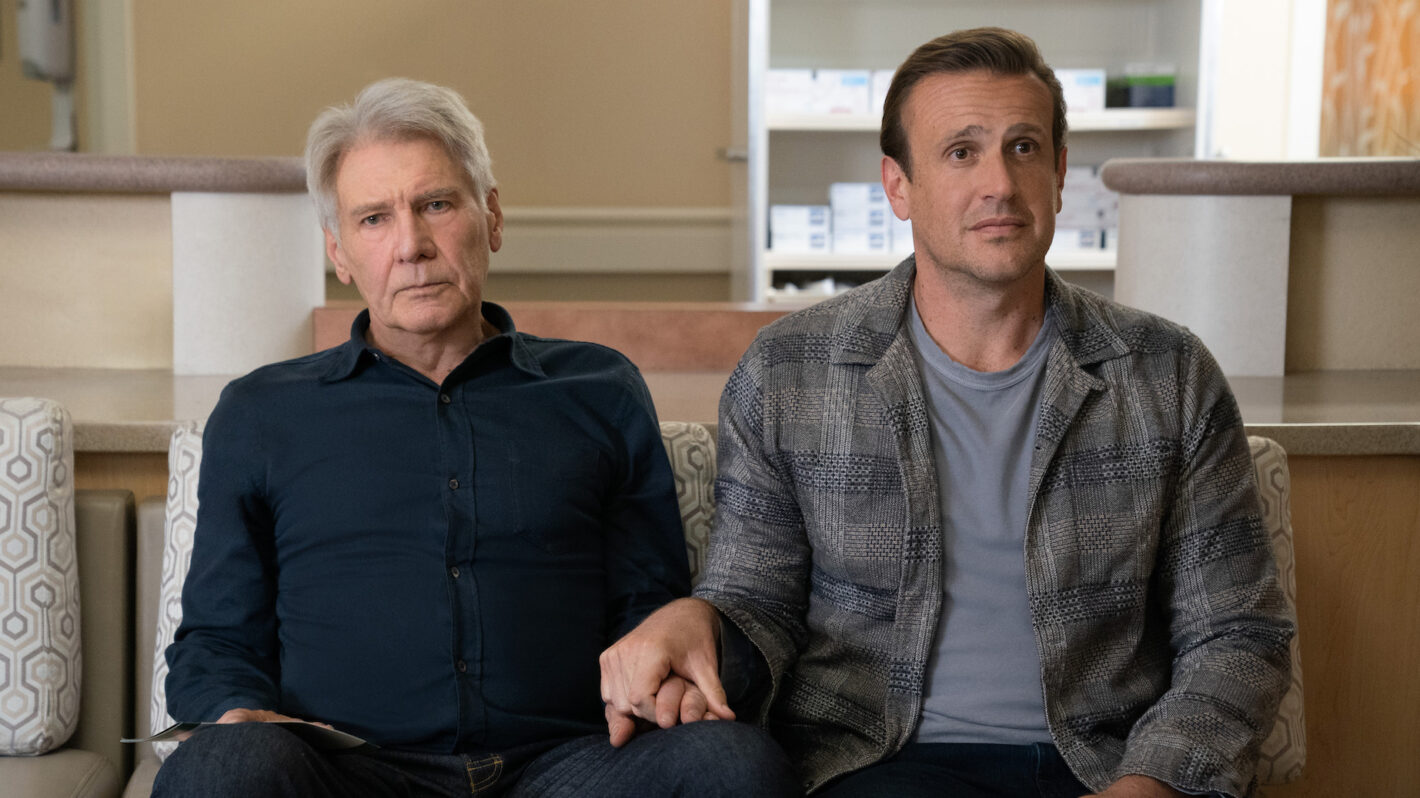
His parents split when he was just three years old.
At seven, he experienced sexual abuse.
As he grew older, he slipped deeper into addiction, turning to drugs and alcohol to dull the pain of his past. Today, however, the American actor, comedian, and filmmaker lives a very different life with his famous wife.
Born on January 2, 1975, in Ypsilanti, Michigan, he would eventually become one of the most recognizable faces in entertainment. His mother worked for General Motors, and his father sold cars. She chose his unusual name after the wealthy playboy Diogenes Alejandro Xenos from Harold Robbins’ novel The Adventurers.
His childhood, however, was far from stable. After his parents’ divorce, he faced another devastating trauma when he was sexually abused. He kept the experience secret for more than 12 years, carrying the burden alone. In 2016, he recalled blaming himself at the time, saying he struggled with confusing thoughts and guilt for over a decade.
He later connected that trauma to his addiction struggles. His mother, who worked as a court-appointed advocate for foster children, once came across a statistic suggesting that victims of abuse have a much higher risk of addiction. Hearing that, he began to view his own struggles differently, realizing his path may have been shaped by those early experiences.
Despite the challenges, he had strong role models—especially his mother. Starting as a night-shift janitor at GM, she worked her way up to owning four businesses and managing publicity events, showing him the value of determination and hard work.
Early career and comedy beginnings
Between ages 14 and 18, he traveled with his mother, helping with her work at racetracks. Later, he attended Santa Monica College before moving to Los Angeles. A friend introduced him to The Groundlings improv troupe, where he auditioned and discovered acting for the first time.
After years of improv training, he joined The Groundlings’ Sunday Company alongside future stars like Melissa McCarthy, Octavia Spencer, Fortune Feimster, Tate Taylor, and Nat Faxon. Beginning in 2003, he also appeared on Ashton Kutcher’s prank show Punk’d, returning when it was revived in 2012.
His early film exposure came with the comedy Without a Paddle, which became a box-office success despite mixed reviews. He later landed a leading role in Let’s Go to Prison (2006) and appeared in Baby Mama (2008) with Tina Fey and Amy Poehler.

Meeting Kristen Bell
His life changed when he appeared in the romantic comedy When in Rome. Although the role was small, it introduced him to his future wife, Kristen Bell. The couple announced their engagement in 2010 but delayed their wedding until same-sex marriage became legal in California.
During this period, he struggled with substance abuse, including alcohol, cocaine, and prescription medications. He later admitted that Bell initially found his past troubling and questioned whether he could maintain sobriety, marriage, and fatherhood. For the first year and a half of their relationship, they frequently worked through those concerns.
Recovery, relapse, and honesty
The actor—Dax Shepard—eventually achieved sobriety but later revealed he relapsed after 16 years. He has since spoken openly about addiction, including how he explains it to his daughters, Lincoln and Delta. Shepard says he attends AA meetings twice a week, telling them he does so to remain a good father.
After one relapse, Bell supported him, encouraging him to seek help while reminding him he hadn’t erased years of progress. He later reflected that the experience, while difficult, helped him better understand recovery.

Life today
In addition to hosting the Armchair Expert podcast, where he interviews celebrities, journalists, and academics, Shepard is also passionate about cars and off-road racing. He even owns the 1967 Lincoln Continental featured in Hit and Run.
He and Bell have also advocated for children’s privacy, supporting California’s “no-kids paparazzi” law. The measure, passed in 2013, aimed to protect celebrity children from aggressive photographers.
Shepard’s story highlights resilience and growth. From a painful childhood and addiction struggles to recovery, family life, and advocacy, his journey shows that there is often far more behind a public persona than what appears on the surface.