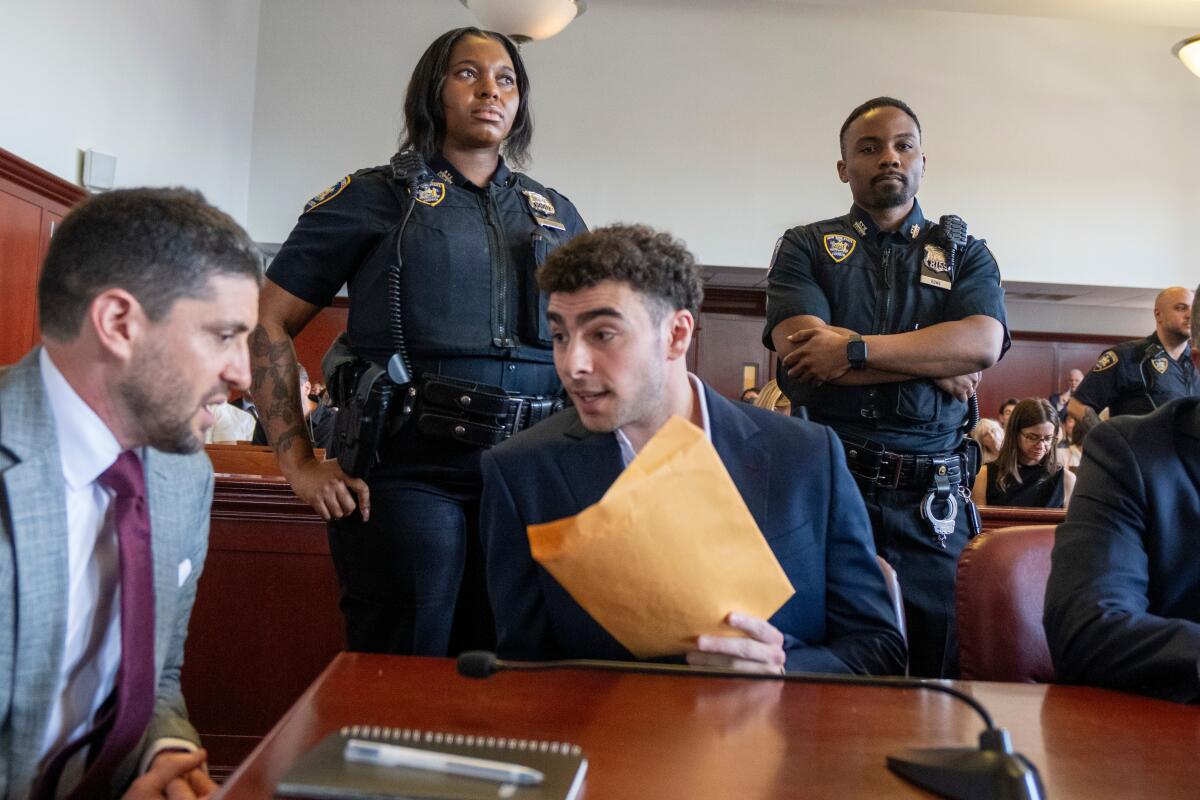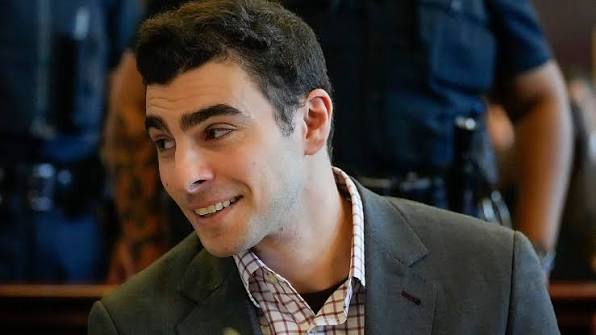
The legal landscape surrounding the high-profile murder trial of Luigi Mangione shifted dramatically this week, leaving courtroom observers stunned by a sudden tactical retreat. Just twenty-four hours after signaling their intention to center the case around a psychiatric argument, Mangione’s defense team has officially withdrawn their plan to pursue an Extreme Emotional Disturbance defense. This pivot is sending shockwaves through the proceedings, raising questions about what is happening behind the closed doors of his legal camp as the clock ticks toward a high-stakes trial.
To understand the weight of this development, one must look at the gravity of the allegations. Mangione stands accused of the brazen, cold-blooded slaying of United Healthcare CEO Brian Thompson. Since the inception of the case, the narrative surrounding the suspect has been deeply entangled with his fixation on corporate greed. The initial defense strategy was poised to capitalize on this, aiming to convince a jury that Mangione’s obsession had spiraled into a fractured reality—an altered state where he genuinely believed that pulling the trigger was an act of salvation for humanity. Had this defense successfully taken root, it would have served as a legal lifeline, potentially reducing the severe murder charge to the significantly lesser charge of manslaughter.
The timing of this reversal is particularly suspicious, coinciding precisely with a critical deadline. Thursday marked the final moment for the defense to hand over a comprehensive trove of Mangione’s personal psychiatric history to prosecutors. By abruptly pulling the plug on the emotional disturbance claim, the defense team successfully bypassed the immediate obligation to disclose those sensitive medical records.
However, legal insiders suggest this is far from a permanent surrender. The maneuver appears to be a classic, albeit aggressive, exercise in strategic withholding. Sources indicate that while the defense has momentarily sidelined the psychiatric argument, they fully intend to resurrect the Extreme Emotional Disturbance claim as the trial date looms closer. The primary driver for this delay is reportedly a series of ongoing, exhaustive psychological evaluations being conducted on Mangione. His lawyers are clearly determined to keep their cards close to their chest, refusing to hand over incomplete or vulnerable records until their own clinical assessment of the defendant is rock solid and entirely finalized.
As the September trial date approaches, the atmosphere in the courtroom has intensified. What looked like a straightforward legal argument has now transformed into a high-stakes game of chess between the defense and the prosecution. By delaying the disclosure of psychiatric evidence, Mangione’s team is successfully keeping the prosecution in the dark while they meticulously build the narrative they hope will ultimately sway the jury. For now, the courtroom must wait to see if this tactical delay will pay off or if it is merely a desperate scramble to salvage a case that remains under an intense national spotlight. The legal team remains tight-lipped, but the implications of this pause are clear: they are not done fighting, and the most dramatic chapters of this case are almost certainly yet to come.