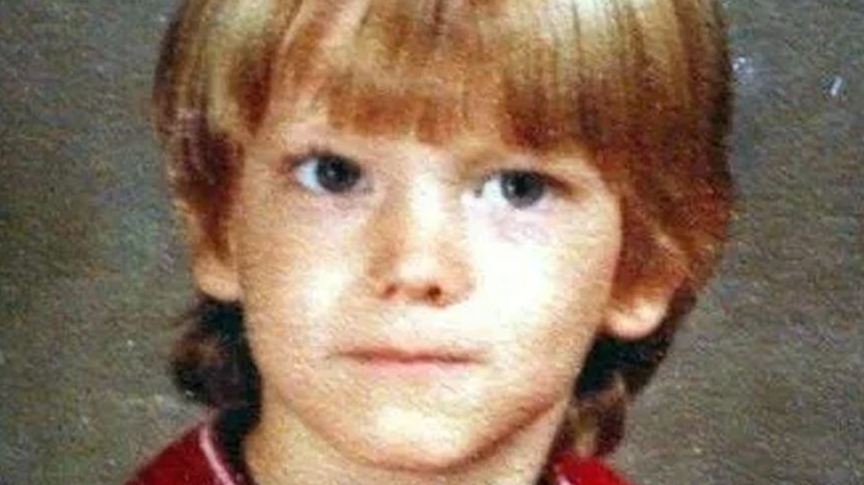
Few journeys in modern music are as raw and compelling as that of Marshall Bruce Mathers III, known to the world as Eminem. Raised amid poverty, instability, and emotional turmoil, his early life was shaped by neglect and relentless hardship. Yet instead of being crushed by those circumstances, he transformed his pain into purpose—forever changing hip-hop and pushing lyrical honesty to new extremes.
Today, Eminem stands as one of the most influential rappers of all time, his impact reaching across cultures and generations. But his story is not simply about fame or accolades. It is about resilience, survival, and the remarkable ability to turn suffering into art.
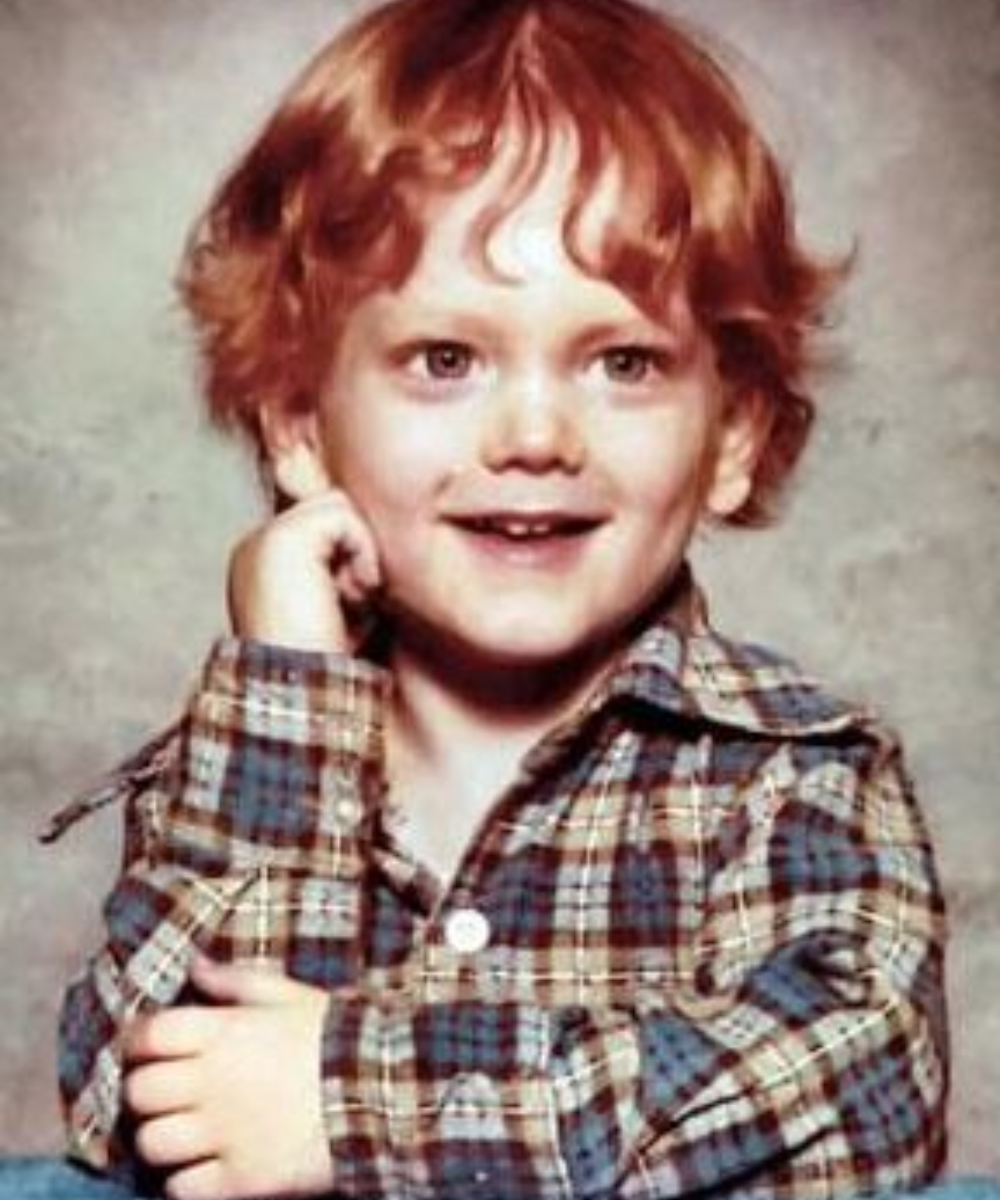
Born on October 17, 1972, in St. Joseph, Missouri, Marshall entered a world marked by chaos and abandonment. His father left when he was still an infant, and the two never formed a meaningful relationship. As he grew older, Marshall attempted to reconnect through letters, but the distance remained. Looking back, Eminem has reflected that his father could have chosen to be present—even in small ways—but didn’t, a realization that left a deep emotional wound.
The absence of a stable male role model profoundly shaped his upbringing. His mother, Debbie Mathers, struggled with addiction and instability, and although various partners passed through their lives, none offered the consistency or security a child needs. Home life was unpredictable, and emotional safety was scarce.
Instability followed him everywhere. Marshall and his mother moved constantly between Missouri and Detroit, often living in public housing. He switched schools repeatedly, making it nearly impossible to build lasting friendships. The frequent relocations left him isolated, always the outsider.
At school, being the “new kid” came with a cost. He later described enduring constant bullying—shoved into lockers, beaten in hallways, and targeted again and again. At just nine years old, the violence escalated dramatically when he was struck in the face with a snowball containing a hard object. The impact knocked him unconscious, caused a concussion, and temporarily blinded one eye. Although his mother sued the school district for negligence, the case was dismissed.
A Home Marked by Turmoil
If school was brutal, home offered little comfort. Eminem has openly spoken about growing up in an environment dominated by addiction, emotional neglect, and instability. He has accused his mother of prescription drug misuse and later of exploiting his financial success. While she denied many of these allegations and even filed a defamation lawsuit—eventually settled for a small amount—the emotional scars were already deeply ingrained.

Marshall has described feeling misunderstood and emotionally abandoned, raised in a household where confusion, anger, and discipline overshadowed care and stability. That fractured bond became one of the most powerful emotional undercurrents in his music.
Isolation, Identity, and Survival
The challenges continued outside the home. As a white kid in predominantly Black neighborhoods of Detroit, Eminem stood out—and not in a way that offered protection. He became an easy target for harassment, facing constant verbal abuse, physical violence, and intimidation.
Searching for guidance in the absence of a father figure, he encountered many adult men throughout his childhood. Only one—his younger brother’s father—offered something resembling real paternal care. Simple acts like spending time together, playing catch, or going bowling left a lasting impression precisely because they were so rare.
Those brief moments of normalcy stood out against a backdrop of chaos—and helped shape the strength, vulnerability, and intensity that would later define one of the most iconic voices in music history.