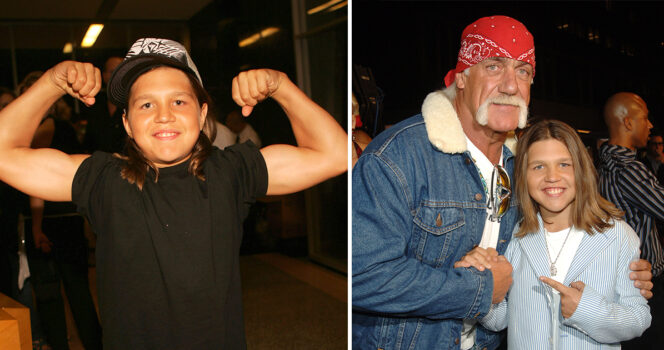
Richard Sandrak shot to worldwide fame as “Little Hercules,” astonishing audiences with his incredible strength at an age when most kids were just learning to climb playground equipment. But years later, he says the reality behind that image was far more complicated, describing a childhood shaped by pressure from his “manipulative” father.
Born in Ukraine to parents involved in fitness, Sandrak — who turns 33 on April 15 — grew up surrounded by intense physical training. After the family moved to the United States, his unusual flexibility and strength quickly caught the attention of trainers, producers, and media outlets eager to showcase what looked like a rare prodigy.
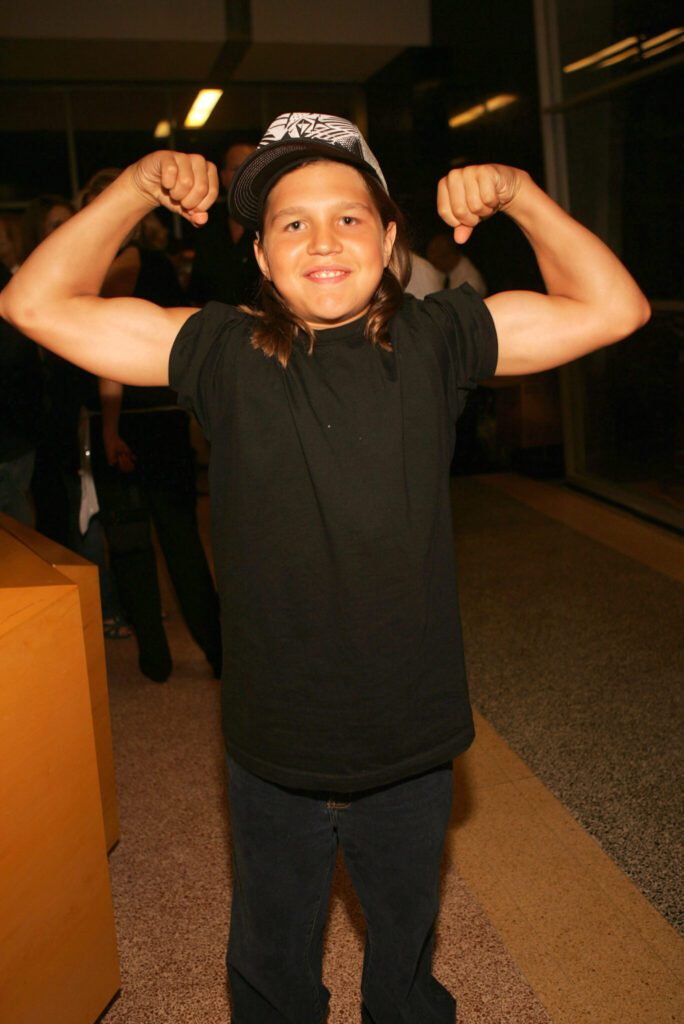
By elementary school, his daily routine already included structured workouts far beyond typical youth activities. At just eight years old, reports claimed he could bench press three times his body weight. As his fame grew, the boy nicknamed “Little Hercules” became an international sensation, even appearing alongside bodybuilding icons like Arnold Schwarzenegger and Lou Ferrigno.
However, the confident public image masked a much harsher reality. In a 2025 interview, Sandrak spoke candidly about the difficulties of his early fame, saying his childhood was dominated by strict expectations and little personal freedom. His father, Pavel — who also served as his trainer — enforced a demanding schedule centered entirely on physical performance.
He recalled being nine years old and required to perform nonstop squats while watching a movie — something he accepted at the time because it was all he knew. Sandrak said he was “physically beaten into it,” adding that he learned early not to ask for breaks.
Training sessions could last for hours, leaving little room for normal childhood experiences. He described many workouts as emotionally exhausting and recalled moments when ordinary sessions escalated into what felt like “intense hostage situations.” Positive childhood memories, he explained, were difficult to identify because much of his early life revolved around pressure and discipline.
The situation changed in 2003 when his father was deported to Ukraine after a violent incident involving Sandrak’s mother. The turning point allowed him, then 11, to step away from bodybuilding and explore other activities such as swimming, gymnastics, and skateboarding — and he made his first friend.
Gradually, he distanced himself from weightlifting, which he later said felt tied to trauma. He explained that he grew tired of everything in his life revolving around his body and performance.
Adjusting to a more typical life wasn’t easy. He said the years of rigid structure made socializing difficult, and he struggled to connect with peers. In early adulthood, he also battled alcohol use, admitting he turned to drinking as a way to cope with lingering emotional challenges and feelings of depression.
Sandrak, who has been sober since 2023, also spoke about the impact his father’s behavior had on the whole family, particularly his mother. He described both of them as victims and praised her strength, saying they supported each other through difficult times.
Today, Sandrak lives in Los Angeles and works as a retail manager, far removed from the bodybuilding spotlight that once defined him. Looking back, he says his childhood feels like it belonged to someone else — and while the journey was unusual, he’s largely content with the person he has become.


