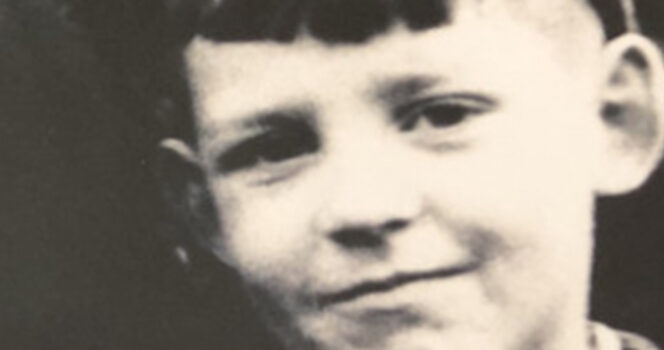
With world tours behind him and that unmistakable, rough-edged voice, Joe Cocker became one of the defining figures of rock and roll. Yet his story began far from fame—far from stages and applause.
He grew up in a gritty, working-class corner of Sheffield, a city once choked with soot and factory smoke. In that environment, music wasn’t a career choice at first—it was escape. Life was hard, and the streets offered little comfort, but he found relief in singing long before anyone else noticed his talent.
Like many rock figures of his era, he battled personal demons along the way. Alcohol, heroin, and heavy smoking marked difficult chapters of his life, shaping both his health and his career. For a long stretch, those struggles nearly defined him more than his music did. It wasn’t until he met his future wife, Pam Baker, in the 1980s that he began to find steadier ground and slowly rebuild his life.
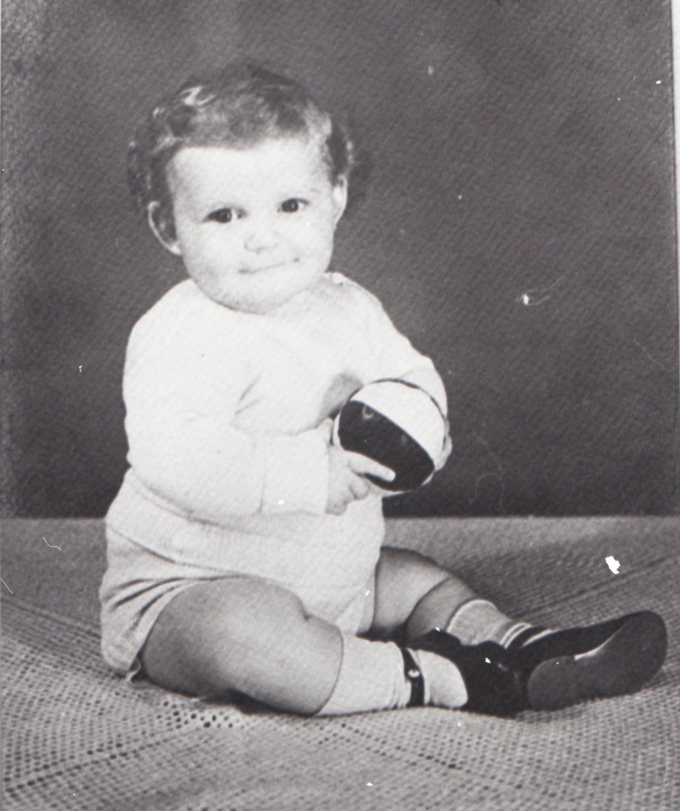
Smoke, steel, and a childhood in Sheffield
Not every rock story begins in chaos. Joe Cocker came from a relatively stable family, but stability didn’t mean ease. Born John Robert Cocker during World War II in Sheffield—a steel city wrapped in industrial haze—he was raised by a housewife mother and a father serving in the Royal Air Force.
Even his famous nickname has unclear origins. Some say it came from childhood games inspired by cowboys, while others claim it was borrowed from a local window cleaner. Whatever the truth, “Joe Cocker” would become the name that filled arenas decades later.
Growing up in the 1950s Sheffield meant living under a constant grey sky of industrial pollution. Blackened buildings, soot-covered streets, and factory chimneys were simply part of everyday life. To outsiders, it looked bleak—but to those raised there, it was normal.
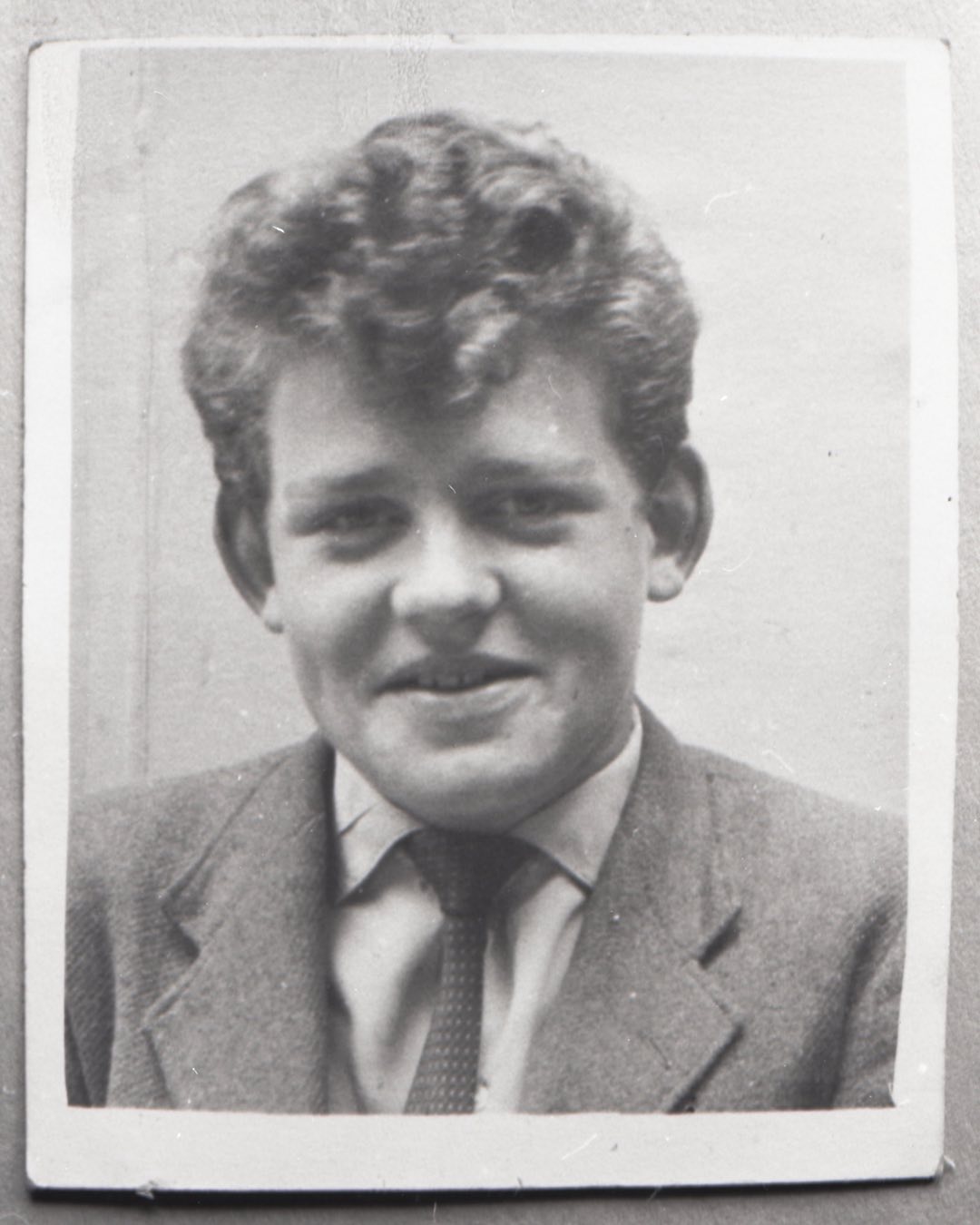
A reluctant path into music
Music was never initially the plan. His dream, in truth, was simply to leave Sheffield behind. At 16, he left school and was told bluntly by his headmaster, “Hard luck.” He trained as an apprentice gas fitter while playing music wherever he could—working by day, chasing gigs by night.
Early on, there was little sign of what was coming. His brother later recalled that he was passionate but unpolished, someone with drive rather than obvious talent. Still, that determination never faded.
He played small pubs, borrowed equipment, and performed for audiences more interested in drinks than the stage. Demo tapes were made and rejected repeatedly, but he kept going anyway. Singing, for him, was the only thing that made life feel meaningful.
Even his family expected a different future. His mother once admitted she thought he might stay in gas fitting, but music always lingered in the background—too persistent to ignore.
Early setbacks and slow beginnings
In 1964, he got his first break with Decca Records in London, recording a Beatles cover for a small fee. The release went nowhere, and he later joked that the label “were very professional… that’s why they dropped me.”
He returned home and continued working, even taking a job packing goods while still performing in local bands. At times, he played drums, at times he sang—never sure which path would open first.
Four years later, everything changed. His version of “With a Little Help from My Friends” became a breakout success, reaching the top of the charts in the UK and gaining major attention in the US. A telegram from Lennon and McCartney congratulated him, marking a turning point in his career.
Rise to fame and Woodstock breakthrough
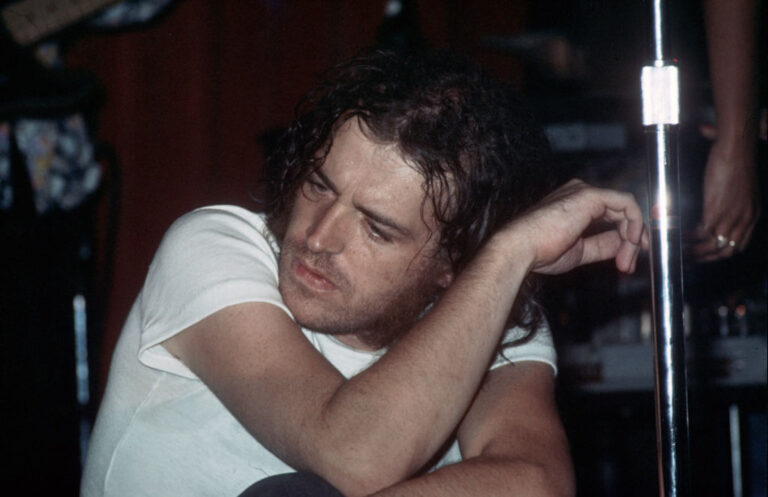
The success led to his first American tour in 1969, followed by growing recognition and a rapidly expanding audience. His live performances became intense, emotional, and completely unique.
Then came Woodstock.
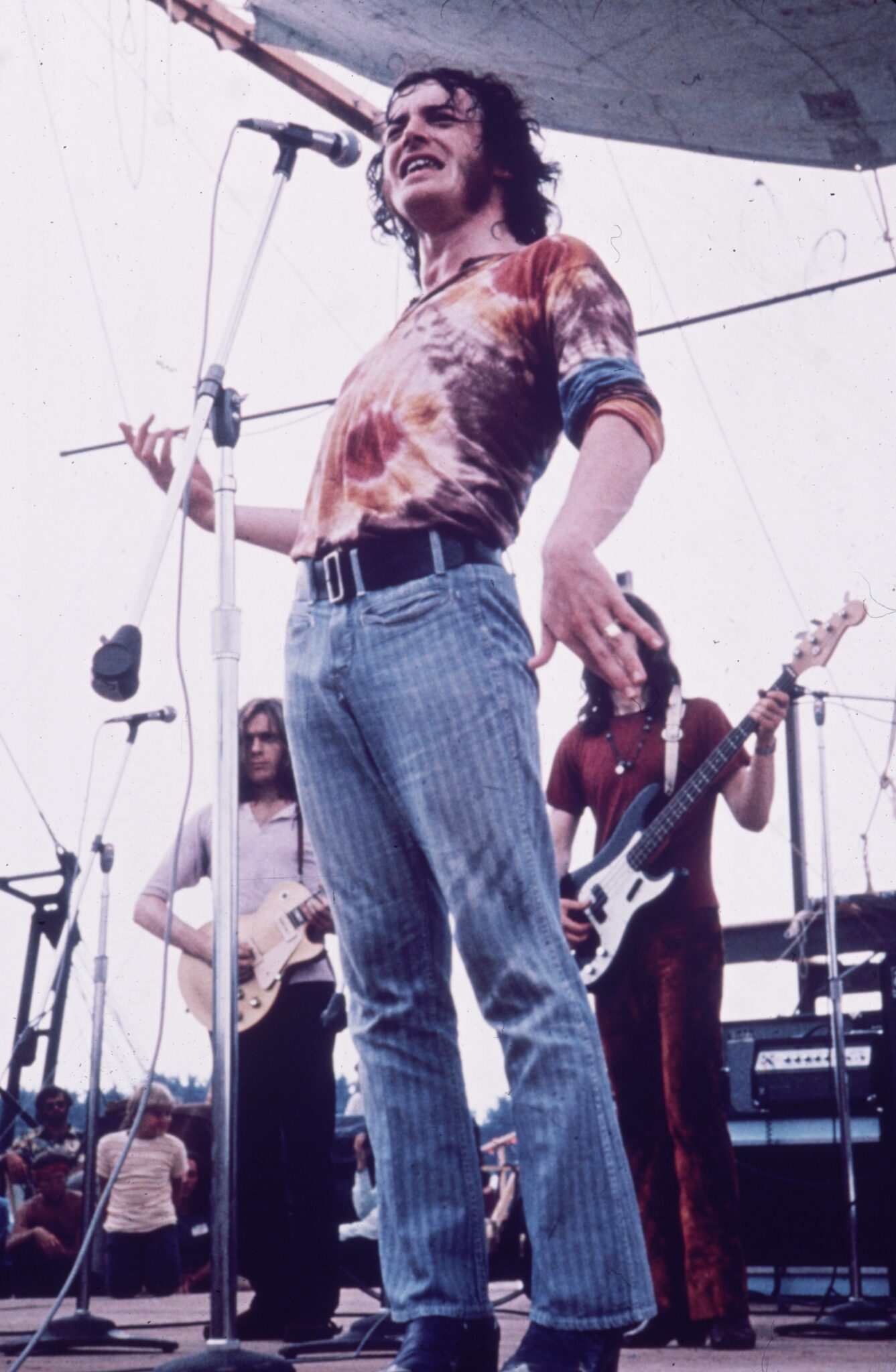
His performance of “With a Little Help from My Friends” became one of the defining moments of the entire festival. On stage, he was unrestrained—movements wild, voice soaring and cracking with emotion. It wasn’t a simple cover anymore; it was a transformation. Raw, physical, almost overwhelming, it captivated hundreds of thousands and was later immortalized in the festival film.
That moment cemented his reputation. From then on, he was no longer just a rising singer from Sheffield—he was a force in rock music.

Excess, collapse, and chaos on the road
Success brought intensity, and intensity brought excess. Touring life quickly spiraled into exhaustion and substance abuse. Alcohol, drugs, and relentless performances blurred into one long, unstable period.
He eventually pushed himself so hard that he collapsed from exhaustion in Los Angeles during the height of the “Mad Dogs & Englishmen” era. What began as celebration turned into dependency—heroin, cocaine, pills, and alcohol all becoming part of daily life on tour.
He later described heroin as both powerful and dangerous, admitting it made him feel fearless but also reckless, especially behind the wheel or on stage.
By the mid-1970s, his career was unstable. Shows were unpredictable, health was deteriorating, and arrests added to the chaos. During one incident in Australia, he was arrested for cannabis possession and reportedly clashed with police. In another, he spent a night in a Melbourne jail after a hotel altercation.
He later recalled sharing a cell with a bank robber and another inmate accused of murder—strangely remembering the robber as a fan of his music.
Comebacks and career survival
Despite everything, he didn’t disappear. Even in periods of heavy addiction, he managed to produce standout work, including the hit “You Are So Beautiful,” which became one of his most beloved songs.
There were still setbacks—onstage breakdowns, substance-fueled disasters, and moments where his career seemed close to collapse. But he kept returning.
One of his greatest later successes came with “Up Where We Belong,” a duet with Jennifer Warnes, which became a No. 1 hit and won a Grammy in 1983, famously featured in An Officer and a Gentleman.
Against expectations, he proved he wasn’t just a product of rock excess—he was a survivor of it.
Later years, stability, and personal life
Over time, life became more stable. After meeting Pam Baker, who would become his wife, he gradually stepped away from chaos. Their marriage in 1987 marked a turning point, with Pam playing a major role in helping him manage addiction and build a quieter life in Colorado.
He continued recording and touring, releasing albums throughout the 1980s, 1990s, and 2000s. While not all were major commercial hits, many were critically respected and kept his career alive across decades.
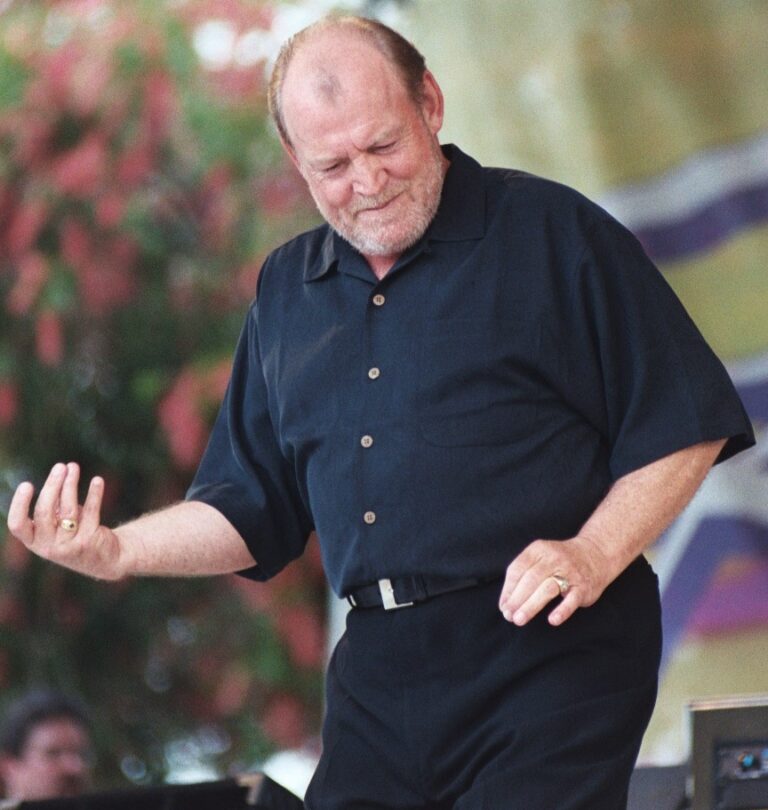
He remained a presence at major global events and continued performing into his later years, respected for both his endurance and his unmistakable voice.
Final years and legacy
Joe Cocker passed away in 2014 from lung cancer at his home in Colorado at the age of 70. A lifelong heavy smoker, he had battled health issues for years.
Financially, his career had seen extremes—from near bankruptcy in the 1970s to a later estimated fortune built from music royalties and global recognition. Despite ups and downs, his catalog remained influential and widely played.
In the end, he was remembered not just for his hits, but for the emotional force of his performances—the way he could take a song and completely rebuild it through sheer feeling.
A voice that still lingers
Whenever “With a Little Help from My Friends” plays, it carries more than melody. It carries the memory of a young man from Sheffield who turned hardship into expression, struggle into sound.
His life was uneven, unpredictable, and at times destructive—but also deeply human. He didn’t follow a straight path to success. He broke, rebuilt, and kept moving forward through music.
And that, more than anything, is what remains: a voice that refused to disappear, and a legacy built not on perfection, but on feeling.