The world of television has lost one of its most daring and distinctive voices. Louise Lasser, the visionary actress whose portrayal of the title character in the cult classic Mary Hartman, Mary Hartman, turned the landscape of 1970s satire on its head, has died at the age of 87. Her passing in her Manhattan home on July 6, 2026, marks the end of a career that was as complex and unconventional as the characters she brought to life. Her death from natural causes was confirmed by her longtime friend, Susan Charlotte, leaving a void in the hearts of those who admired her sharp wit and fearless commitment to her craft.
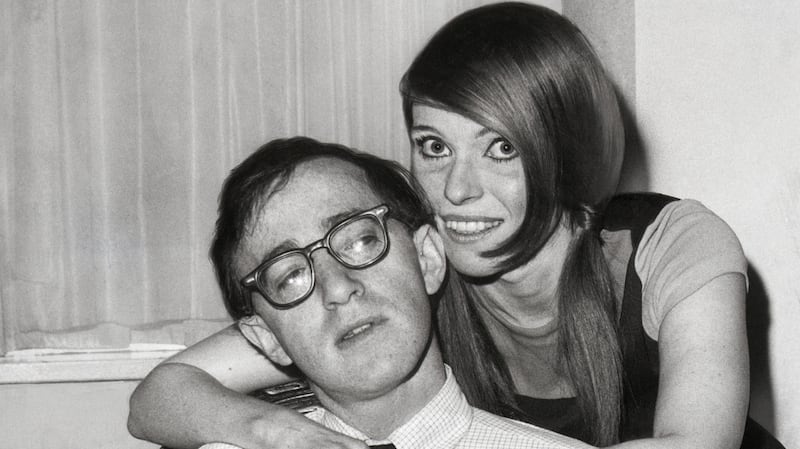
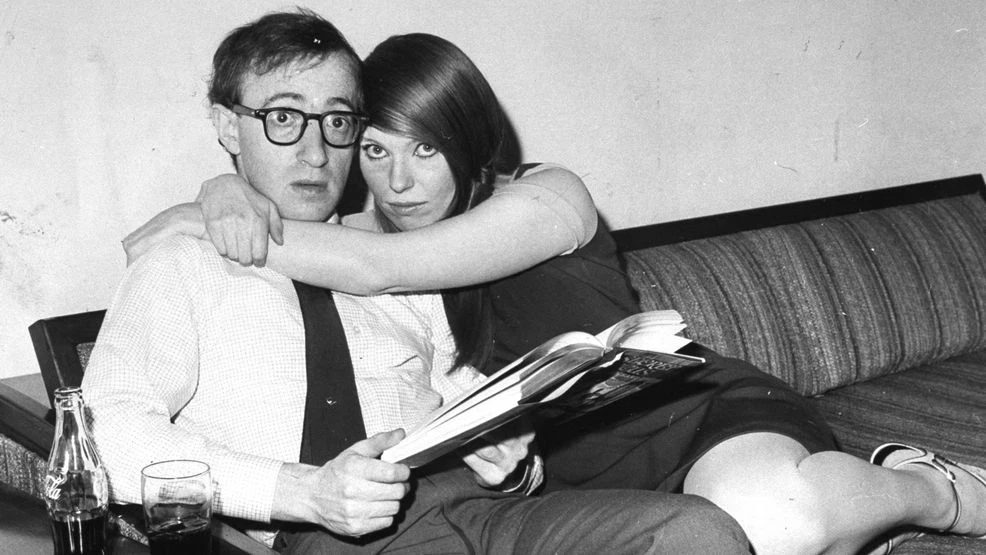
Born in New York City in 1939, Lasser’s journey began in the vibrant atmosphere of Greenwich Village coffee houses before she made her mark on the Broadway stage. Her early years were defined by ambition and a relentless pursuit of artistic authenticity, from her time studying under the legendary Sanford Meisner to her stint as an understudy for Barbra Streisand. However, it was her collaboration with filmmaker Woody Allen that initially introduced her to a wider audience. Married from 1966 to 1970, their partnership resulted in iconic appearances in films like Bananas and Take the Money and Run, though Lasser would ultimately outgrow the shadow of their professional connection to carve out a singular, defiant legacy.
Her true breakthrough came in 1976 when Norman Lear cast her in the surreal, darkly comic soap opera parody Mary Hartman, Mary Hartman. The show was an unprecedented cultural phenomenon, airing five nights a week and daring to dissect the banality of American suburbia through a lens of biting wit and existential dread. Lasser’s performance, which earned her an Emmy nomination, became a touchstone for a generation, blending tragedy and absurdity in ways that had never been seen before. Even after the show’s conclusion, she remained a magnetic screen presence, with memorable turns in projects like Requiem for a Dream and a hauntingly beautiful recurring role in HBO’s Girls, where she captivated modern audiences as a rediscovered Manhattan artist.
Beyond the bright lights of the stage and screen, Lasser’s life was punctuated by moments of intense scrutiny and personal resilience. From a widely publicized legal incident in 1976 involving a bizarre confrontation over a dollhouse—a story that mirrored the surreal reality of her most famous character—to her later years spent as a revered acting teacher and mentor, she never allowed herself to be easily categorized. She navigated the industry with a singular focus, finding fulfillment in the act of teaching at the Louise Lasser Acting Studio on the Upper East Side, where she shared her profound knowledge of the human condition with the next generation of performers. She is survived by her devoted partner, film producer Michael Citriniti, who stood by her side through the final chapters of an extraordinary life. Her influence on the art of television, particularly in the realm of dark comedy, remains as potent and indelible as the day she first stepped before the camera.