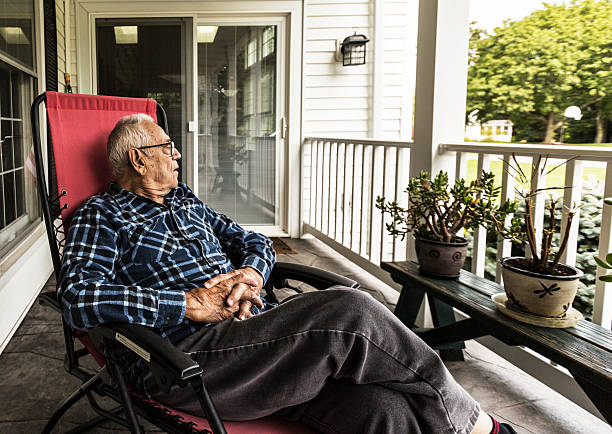
After Grandma passed, Grandpa barely spoke at the funeral. He clung to her photo like a sailor to a life raft in a storm, nodding stiffly at people, as if words might shatter him completely. Still, every so often, he’d manage a small, crooked smile—one of those brave little things that cracked through the sadness like sunlight through heavy clouds.
During that first week, we checked on him often, carrying casseroles and offering to stay the night. Sometimes he’d chuckle softly at the size of the dishes, teasing us by saying, “You kids think I’m feeding an army?” But he never asked for anything. He just kept patting my shoulder and saying, “I’m okay, kiddo,” like a scratched record stuck on the same, tired phrase, offering a half-smile that never quite reached his eyes.
Then one morning, he was simply gone. No goodbye note, no suitcase by the door—only his old truck missing from the driveway and the house locked up tight, as if he’d just stepped out for milk. I remember smiling at the absurd neatness of it—Grandpa, even running away, had made sure the curtains were straight.
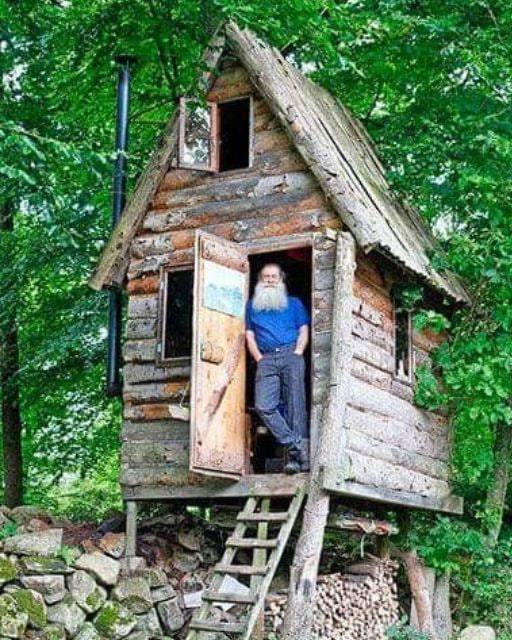
It took a few anxious days before I figured out where he had gone: a cabin he had built long ago, hidden deep in the woods, tucked away like a secret only he knew.
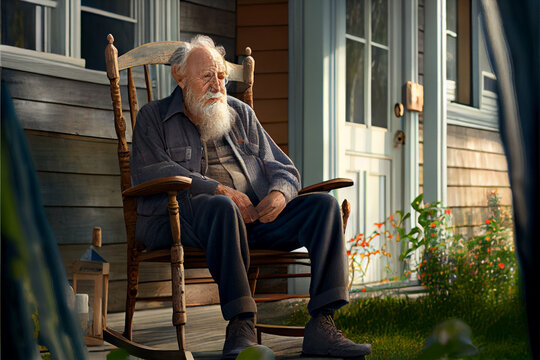
When I found him, he was bearded and calm, surrounded by curls of sawdust, looking less like a man and more like an old tree rooted deep into the earth. He greeted me with a slow, tired grin, the kind that made you feel like you were exactly where you were supposed to be.
“I just needed silence,” he said, his voice as soft as a falling leaf—and for the first time in a long while, he smiled like he meant it.
One day, he vanished.


