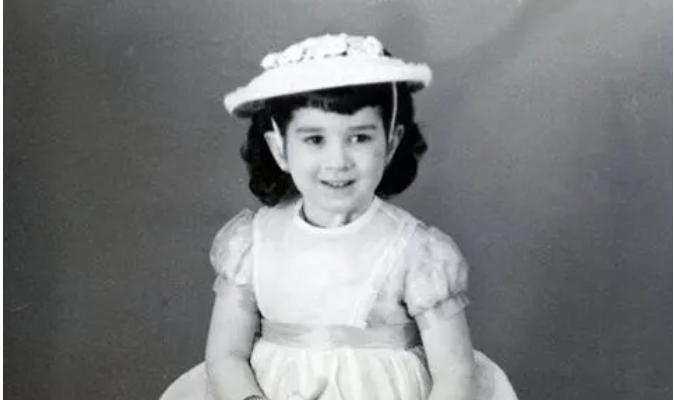
In 1962, a tense silence filled a small kitchen as her parents argued in hushed, worried voices—each believing the other had given their young daughter her insulin shot. The fear was real… but neither of them had done it.
The child didn’t cry. She didn’t ask for help. Instead, she quietly moved past them, dragged a chair to the stove, climbed up, and carefully placed the syringe into boiling water.
“I’ll do it myself,” she said.
And from that moment on, she did—every single day. 🌟
Just weeks earlier, she had been diagnosed with Type 1 diabetes—along with a quiet, unsettling warning that her life might be shorter than most.
Her father wanted to help, but his hands shook too much to hold a needle steady. Her mother worked exhausting double shifts as a nurse, leaving before dawn and returning late at night. So, at just seven years old, a girl growing up in the Bronx took on the responsibility of keeping herself alive.

Back then, treatment was anything but simple. The needles were large and intimidating, and checking blood sugar meant cutting a fingertip with a razor blade. Yet every morning, she followed the same routine: boiling water, preparing the syringe, drawing insulin, and carefully choosing a spot on her body that wasn’t already sore. Then she would give herself the injection—calm, focused, and determined.
Afterward, she’d grab her school bag and rush out the door like any other child.
To her, it wasn’t bravery. It wasn’t tragedy. It was simply life.
When she was nine, her father passed away, leaving her mother to raise two children alone under difficult conditions. Their home offered little comfort—harsh winters, sweltering summers—but there was one escape: books.
She found inspiration in stories, especially Nancy Drew, the fearless young detective who never waited for permission. For a time, she dreamed of following that same path—until a doctor told her it wasn’t realistic for someone with her condition.

That dream faded—but not for long.
One day, she discovered Perry Mason on television. Courtrooms, arguments, and judges making powerful decisions—it opened a new door. No one had ever said she couldn’t become a judge.
At just ten years old, she made a promise: she would become a lawyer—and then a judge.
She worked relentlessly, excelling in school and eventually earning a place at Cardinal Spellman High School, where she joined the debate team and found her voice. When encouraged to apply to Ivy League schools, she didn’t even know what that meant—she had never heard of Princeton University.
Still, she applied.
And she was accepted.
Arriving on campus in 1972 with little more than determination and her medical supplies, she faced a world that felt unfamiliar and intimidating. Many of her peers came from privileged backgrounds, and she struggled at first to keep up.
But she refused to give in to doubt.
She spent her summers catching up, teaching herself what others had learned long before. By graduation, she didn’t just succeed—she excelled, finishing at the top of her class.
From there, she went on to Yale Law School, then built a career as a prosecutor in New York, handling serious cases that echoed the challenges of her own upbringing.
In 1992, she was appointed to the federal bench by George H. W. Bush. Years later, one of her rulings helped bring an end to the Major League Baseball strike in 1995.
Then came a historic moment. In 2009, Barack Obama nominated her to the nation’s highest court.
She was confirmed.
Sonia Sotomayor became the first Hispanic justice on the U.S. Supreme Court, the third woman ever to serve there, and the first justice living with Type 1 diabetes.

She was 55—far beyond the age doctors once feared she might not reach.
Today, she continues her work on the Supreme Court, managing her condition daily while inspiring others. She has also written books for children facing chronic illnesses, reminding them that their challenges do not define their future.
Back in that small kitchen in 1962, no one could have imagined what lay ahead.
No one—except perhaps the little girl who stood on a chair, faced a problem no one else could solve, and quietly decided she would take care of it herself.


