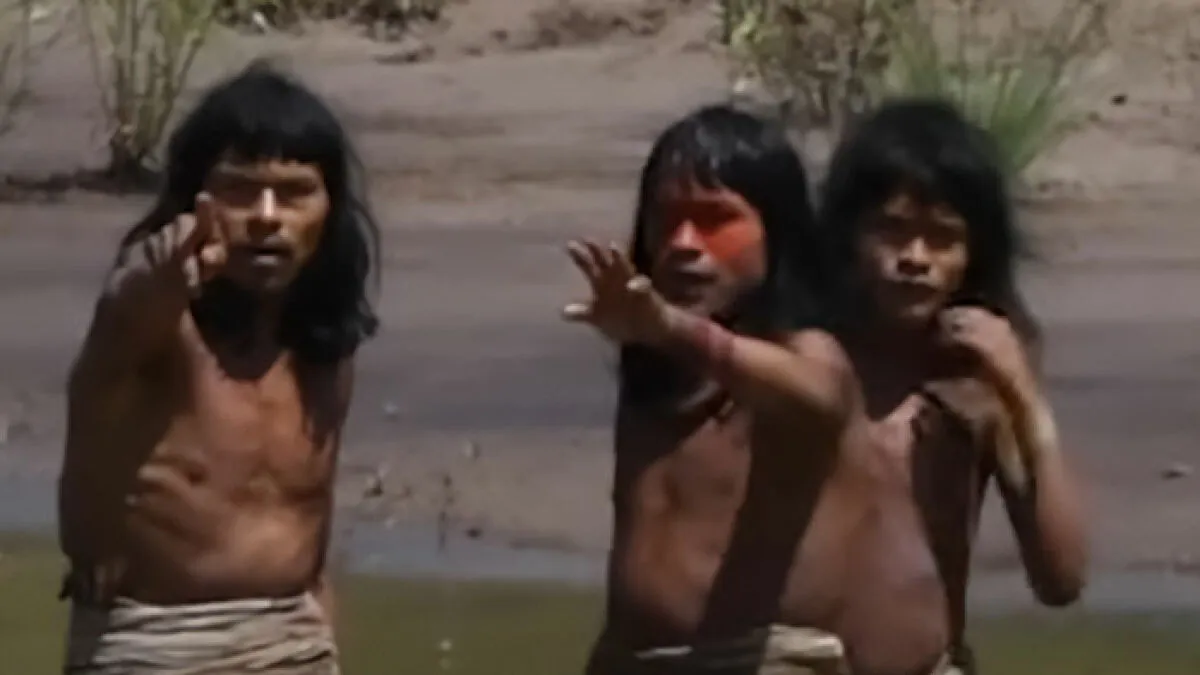
A newly released high-definition video showing an isolated Amazonian tribe has ignited intense online speculation after viewers noticed several unexpected elements.
The footage, reportedly filmed deep in the rainforests of southeastern Peru near the Brazilian border, provides the most detailed visuals yet of a group believed to be the Mashco Piro, an Indigenous community thought to number roughly 750 people. Until now, sightings of the tribe were limited to distant, low-quality recordings.
Despite the video’s clarity, some online viewers questioned whether the group is truly uncontacted, citing what they believe are signs of prior interaction with the outside world.
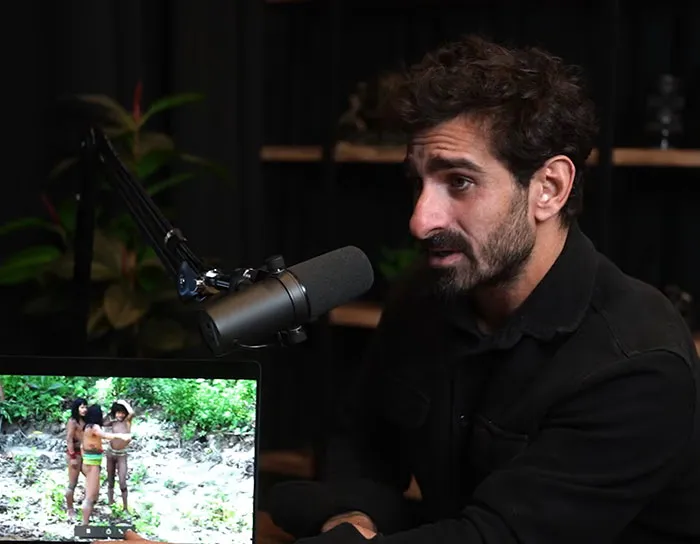
The video was shared by American conservationist and author Paul Rosolie during a recent appearance on the Lex Fridman podcast. The episode, uploaded to YouTube on January 14, featured an in-depth discussion about the tribe and the significance of the footage, with Rosolie drawing on his extensive experience in the Amazon.
Rosolie has spent more than 20 years working to protect rainforests and wildlife across South America and Asia. He first arrived at a research station in Peru’s Madre de Dios region in 2005 at just 18 years old and has since focused on safeguarding endangered ecosystems in the Amazon, India, Indonesia, and Brazil.
During the podcast, Rosolie described the footage as something never publicly seen before, emphasizing that its unprecedented clarity sets it apart from previous recordings. Earlier videos of uncontacted tribes were typically captured from far distances using outdated equipment, resulting in blurry images.
“The only images people have ever seen were hazy shots taken from over a hundred meters away,” Rosolie explained, noting that this footage was filmed using powerful telephoto lenses and high-end cameras.
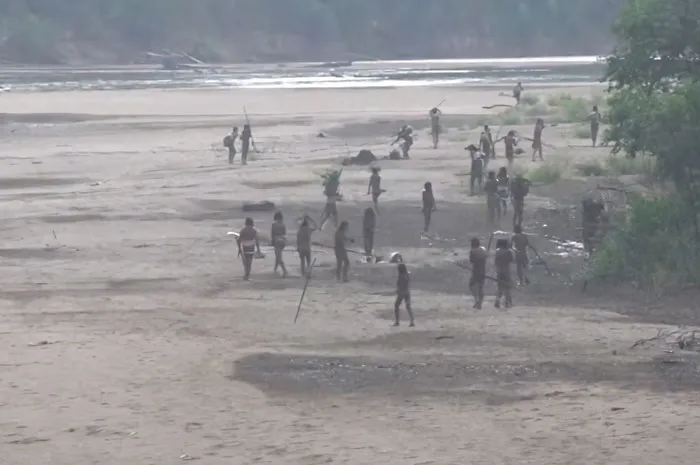
The video opens with members of the tribe emerging from dense vegetation onto a riverbank, surrounded by swarms of butterflies. Initially, they advance cautiously in a tight formation, gripping handmade weapons while watching the filmmakers closely.
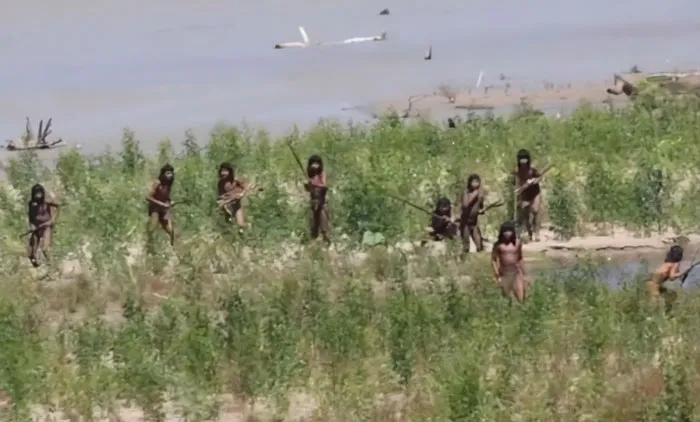
As moments pass, the atmosphere visibly shifts. Tension gives way to curiosity and even lighthearted expressions as the group continues observing the outsiders while keeping a safe distance.
While watching the footage alongside Fridman, Rosolie pointed out the tribe’s movements and gestures, remarking on their posture and the way one man held his bow. He also admitted feeling vulnerable during the encounter, recalling how he constantly scanned his surroundings, anticipating where an arrow might come from.
As the tribe moved closer, Rosolie noted that some members began lowering their weapons. “They understood,” he said. “No more.” He described the transformation as striking, explaining that what initially appeared to be a group prepared for conflict quickly became relaxed and smiling.
The footage also shows Rosolie’s team offering large quantities of bananas and sugarcane to the group. In one moment, a member of Junglekeepers, Rosolie’s nonprofit organization that protects more than 130,000 acres of rainforest from illegal activity, is seen giving clothing to a tribe member who reportedly requested it.
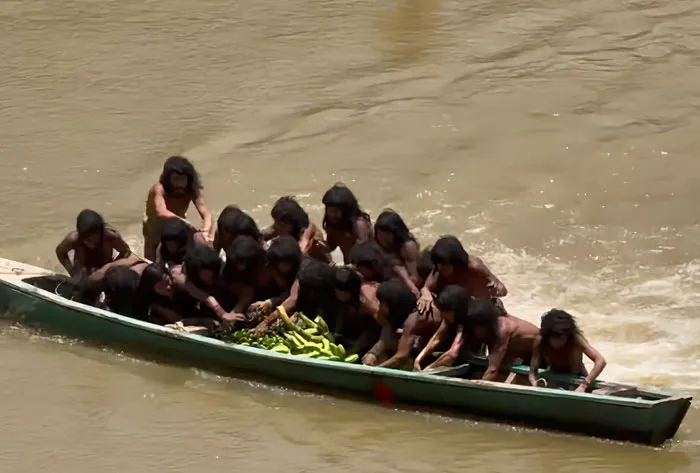
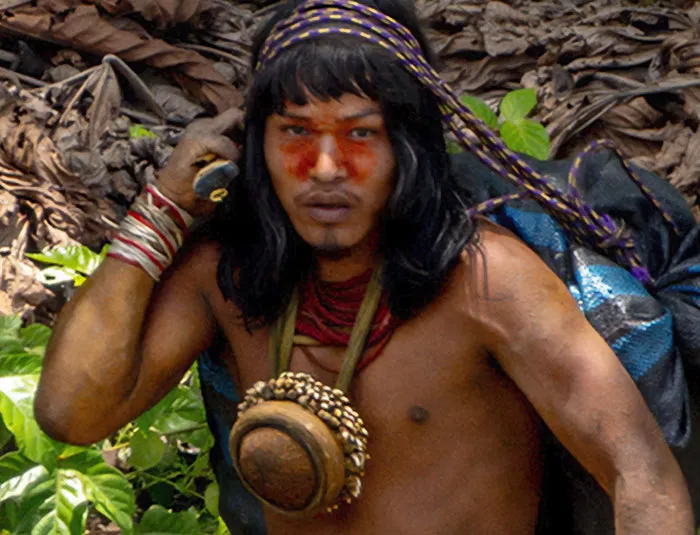
These moments raised doubts among viewers online. Some argued that the tribe’s willingness to accept food and clothing suggests prior contact. Others pointed to objects visible in the footage, such as what appeared to be modern rope, plastic materials, or shaving tools.
Comments ranged from skepticism to sarcasm, with users questioning how an uncontacted tribe could possess items commonly produced by modern manufacturing.
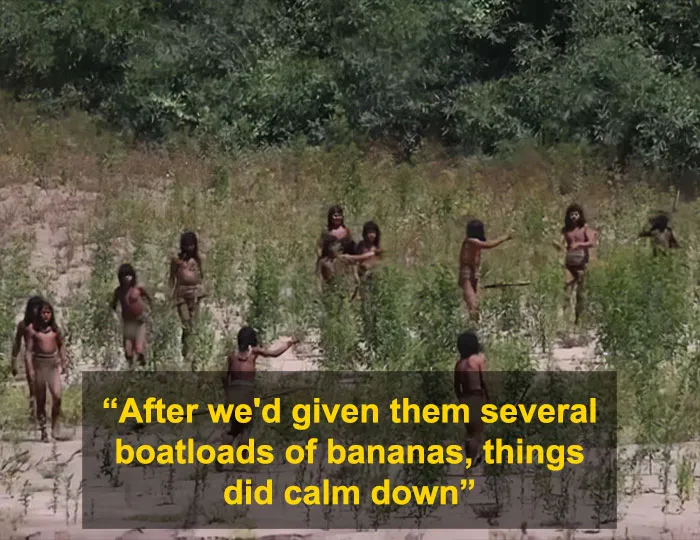
Elsewhere in the podcast, Rosolie mentioned that the tribe disappeared from the area just one day after the encounter. He also described another incident involving a man named George, whose boat was allegedly surrounded by roughly 200 tribe members. According to Rosolie, arrows were fired, seriously injuring George, who narrowly survived after being airlifted for emergency medical treatment.
Both Rosolie and Fridman discussed how increased encounters with isolated tribes are often linked to illegal logging, mining, and drug trafficking, which shrink buffer zones and force Indigenous groups closer to rivers and human routes.
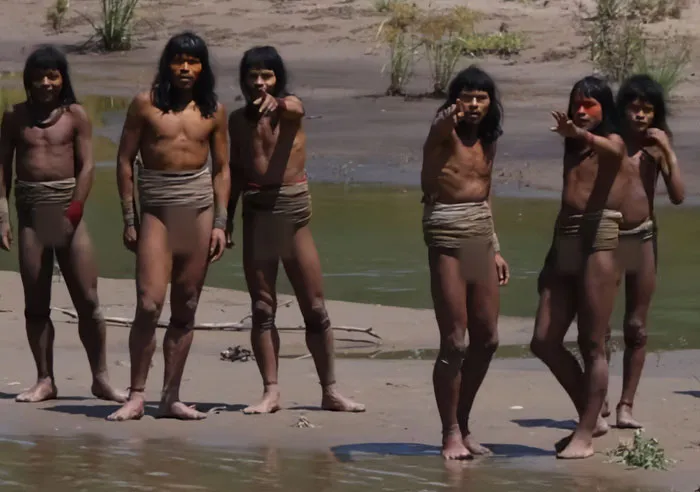
Researchers estimate that nearly 200 uncontacted tribes remain worldwide, most of them living in remote parts of the Amazon across Brazil and Peru. The Mashco Piro are believed to be the largest of these groups, and their land faces mounting threats from logging concessions.
Organizations like Survival International and Brazil’s Indigenous affairs agency FUNAI continue to push for strict no-contact policies, warning that exposure to common illnesses could be deadly for isolated communities.
As one social media user commented, “Leave them alone. They might be the happiest people on Earth.”


